 ultimate-guide
How to Improve Well Water Quality: A Complete Guide
Table of Contents
- Why Well Water Quality Matters for Your Home
- Common Well Water Contaminants and What They Mean
- Well Water Testing Requirements and How to Get Started
- How to Remove Sulfur Smell from Well Water
- Best Water Filtration Systems for Private Wells
- Maintenance Schedules and Long-Term System Care
- Protecting Your Well and Water Quality Over Time
- Frequently Asked Questions
Last Updated: September 28, 2026
Why Well Water Quality Matters for Your Home
To improve well water quality directly affects your family's health, appliances, and comfort. Unlike municipal systems, well water depends entirely on your maintenance and testing. Hard water scale, iron staining, sulfur odors, and bacterial contamination can develop without warning. The steps to improve well water quality are essential for protecting both your family and your investment.
Neglecting water quality is costly: hard water destroys appliances through mineral buildup, sulfur odors make water unusable, iron staining ruins fixtures and laundry, and bacterial contamination poses health risks. Most homeowners discover these problems only after damage occurs.
Common Well Water Contaminants and What They Mean
Understanding your well water contaminants is the first step toward fixing it. Common contaminants fall into several categories, each requiring different treatment approaches.
Hard water minerals (calcium and magnesium) cause white scale buildup on faucets, pipes, and appliances, reducing water flow, spotting dishes, and shortening appliance lifespan. Hard water also reduces soap effectiveness.
Iron and manganese create orange, brown, or black staining on fixtures and laundry, cause metallic taste, and support bacterial growth in pipes.
Sulfur compounds produce rotten-egg smell that makes water unusable. This indicates anaerobic bacteria in the well or aquifer and signals that treatment is needed.
Bacteria and pathogens (coliform bacteria, E. coli, legionella) are invisible but dangerous, multiplying in stagnant water or contaminated areas. Bacterial contamination requires immediate professional treatment; boiling alone is insufficient.
Nitrates from fertilizer runoff or septic leakage are particularly dangerous for infants and pregnant women, causing methemoglobinemia.
Lead and arsenic accumulate in wells near industrial sites, mining areas, or geological deposits, causing long-term health effects even at low concentrations.
Well Water Testing Requirements and How to Get Started
Testing is the foundation of any water improvement strategy. Most states require testing before purchase, but ongoing testing depends on your situation and local regulations.
Contact your state health department or county extension office for testing requirements. Many states mandate testing for coliform bacteria and nitrates; some require additional testing based on geological surveys.
A certified laboratory analysis typically tests for:
- Total coliform and E. coli bacteria
- Nitrates and nitrites
- pH and alkalinity
- Total dissolved solids (TDS)
- Hardness (calcium and magnesium)
- Iron and manganese
- Sulfates and sulfides
- Lead and other heavy metals
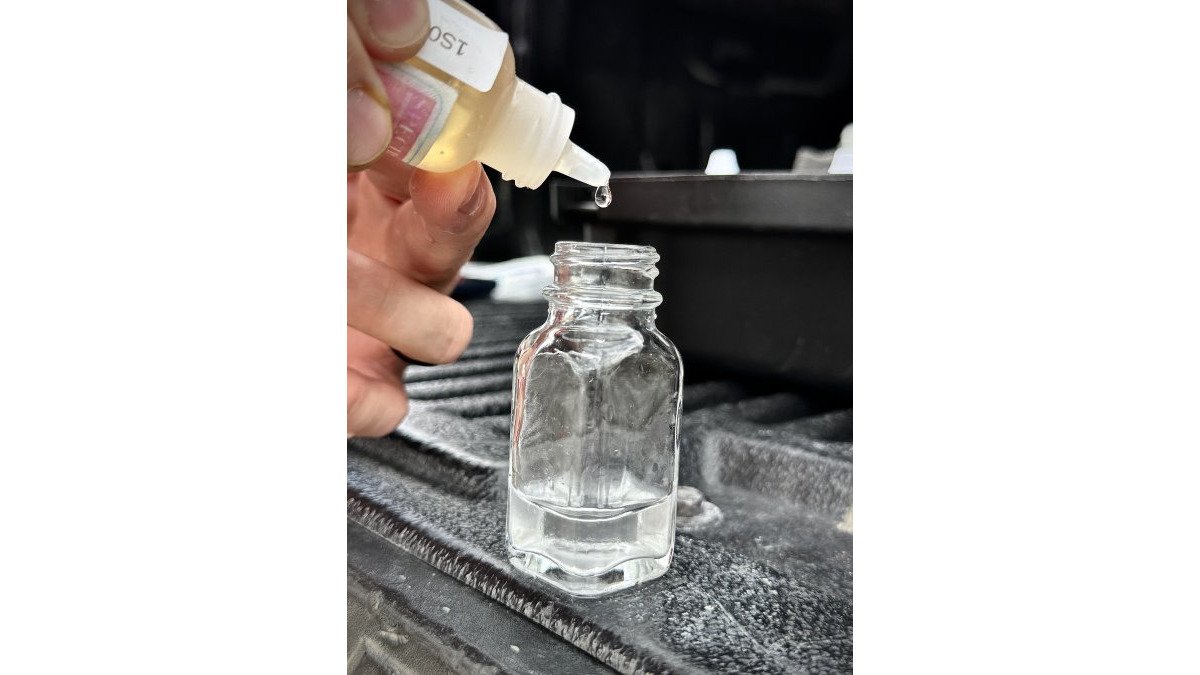
Collect a water sample using sterile containers provided by the lab, following specific instructions to avoid contamination. Results arrive within 5-10 business days.
Water Treatment Systems provides free water analysis to identify contaminants and determine the most effective treatment approaches for your well.
How to Remove Sulfur Smell from Well Water
Sulfur odor is one of the most common and treatable well water problems. The rotten-egg smell indicates hydrogen sulfide gas from sulfate-reducing bacteria or naturally occurring sulfur compounds.
If sulfur smell appears only in hot water, the problem is usually bacteria in your water heater. Flush and disinfect the heater or replace the anode rod, which often solves the issue.
If sulfur smell appears in both hot and cold water, contamination is in the well or groundwater. Several treatment methods work effectively:
Shock chlorination floods the well with high-concentration chlorine to kill bacteria. This often solves the problem but doesn't address naturally occurring hydrogen sulfide, and smell may return if bacteria regrow.
Aeration systems expose water to air, allowing hydrogen sulfide to escape. These work best for low-level odors but don't kill bacteria, so they're often combined with other treatments.
Activated carbon filters absorb hydrogen sulfide and improve taste and odor. Effective for mild sulfur problems but require frequent replacement (every 3-6 months with heavy content).
Request My Free Water Analysis →
Oxidizing filters chemically convert hydrogen sulfide into harmless compounds. These work well for moderate sulfur levels and require periodic backwashing.
For severe sulfur odor, shock chlorination followed by a whole-house oxidizing filter often provides long-term relief.
Best Water Filtration Systems for Private Wells
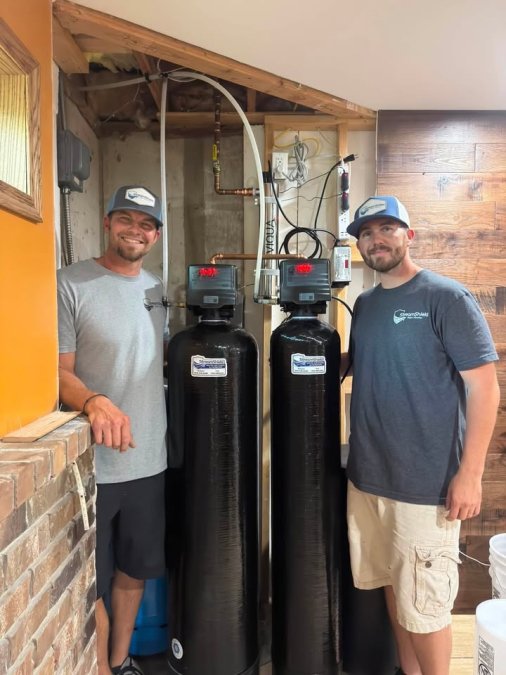
Choose a filtration system based on your contaminants, usage, and budget. Whole-house systems treat all water at entry, protecting appliances and plumbing. Point-of-use systems treat water at specific locations only.
Sediment filters remove visible particles, rust, and sand that clog pipes and damage appliances. They trap particles as small as 5 microns and require replacement every 3-6 months.
Whole-house carbon filters reduce chlorine taste, odors, and some organic compounds. They're affordable and require minimal maintenance but have limited effectiveness against bacteria or heavy metals.
Multi-stage filtration systems combine sediment, carbon, and other media to address multiple contaminants. They provide broader protection than single-stage filters.
Reverse Osmosis and Advanced Filtration
Reverse osmosis (RO) forces water through a semipermeable membrane, removing up to 99% of dissolved solids, minerals, bacteria, and contaminants. RO produces pure drinking water but wastes 3-5 gallons per gallon produced. Most homeowners use RO for drinking and cooking only.
Point-of-use RO systems install under the kitchen sink and provide purified drinking water. They require membrane replacement every 2-3 years and produce limited volume, suitable for drinking and cooking only.
Whole-house RO systems are expensive and impractical for most wells due to water waste and remineralization needs. However, for wells with severe contamination (high arsenic, lead, or heavy metals), whole-house RO may be necessary.
Water Softening and Iron Removal
Water softening removes calcium and magnesium through ion exchange, preventing scale buildup, extending appliance life, and improving soap effectiveness. Softeners require regular salt regeneration.
Ion exchange softeners pass hard water through resin beads charged with sodium ions. Hard minerals exchange places with sodium.
UV Disinfection for Bacteria and Pathogens
Ultraviolet (UV) light disinfects water by damaging bacterial and viral DNA. UV is highly effective against coliform bacteria, E. coli, and viruses without adding chemicals or creating harmful byproducts.
Maintenance Schedules and Long-Term System Care
Water treatment systems require regular maintenance to remain effective. Understanding your maintenance schedule prevents costly problems and extends system life.
Protecting Your Well and Water Quality Over Time
Well protection begins at the wellhead. It should be sealed with a sanitary cap, elevated above ground to prevent standing water, and surrounded by a concrete pad that slopes away to direct runoff.
| Treatment Method | Best For | Maintenance Frequency |
|---|---|---|
| Sediment filters | Visible particles, rust, sand | Every 3-6 months |
| Carbon filters | Taste, odor, chlorine | Every 6-12 months |
| Water softeners | Hard water scale, mineral buildup | Monthly salt refill, automatic regeneration |
| Iron removal systems | Orange/brown staining, metallic taste | Quarterly backwashing, media replacement every 5-7 years |
| Reverse osmosis | Heavy metals, dissolved solids, drinking water | Membrane replacement every 2-3 years |
| UV disinfection | Bacteria, viruses, coliform | Annual lamp replacement |
Frequently Asked Questions
How often should I test my well water?
Test your well water at least once per year, typically in spring. The EPA recommends annual testing for bacteria and nitrates. Test more frequently if you notice changes in water color, taste, or odor, or after heavy rain or flooding. A certified laboratory can provide comprehensive water quality analysis to identify contaminants affecting your home.
What causes sulfur smell in well water and how do I remove it?
Sulfur smell, often described as rotten eggs, typically comes from hydrogen sulfide gas or sulfate-reducing bacteria in your well. Aeration systems, activated carbon filters, and chlorination can eliminate the odor. UV disinfection targets bacteria causing the smell, while reverse osmosis removes dissolved sulfur compounds. Professional water testing identifies the exact source so you choose the right treatment solution.
What are the most common well water problems?
The most common issues include hard water (high calcium and magnesium), iron staining, sediment, coliform bacteria, nitrates, and sulfur odors. Hard water causes scale buildup on fixtures and appliances. Iron creates orange or brown staining. Sediment makes water cloudy. Bacteria and nitrates pose health risks. A comprehensive water test reveals which contaminants affect your well, guiding your treatment approach.
Can a water filtration system fix existing scale damage on my water heater?
Water filtration systems prevent future scale buildup but cannot remove existing mineral deposits from pipes or appliances. However, stopping new scale formation protects your water heater and extends its lifespan. A water softener addresses hard water before it damages equipment. If significant buildup exists, professional descaling or equipment replacement may be necessary alongside installing a treatment system to prevent recurrence.
Are whole-house water systems worth the investment?
Whole-house systems address water quality issues throughout your entire home, protecting appliances, plumbing, and improving water for drinking, cooking, and bathing. Pitcher filters only treat water at one point of use. Whole-house systems eliminate scale, remove contaminants, and provide consistent results. The investment protects your appliances and plumbing while improving daily quality of life, making it valuable for long-term homeowners.
What should I expect during a professional water analysis?
A professional water analysis tests for bacteria, nitrates, pH balance, hardness, iron, sediment, and other contaminants specific to your well. Technicians collect samples from your tap and send them to a certified laboratory for detailed results. This identifies exactly which contaminants affect your water and their concentration levels. Results guide treatment recommendations tailored to your home's specific needs, with no obligation to purchase.