 how-to
What Happens During Free Water Analysis
Table of Contents
- What Happens During Free Water Analysis
- The Water Analysis Process: Step by Step
- Water Quality Parameters Measured
- How to Interpret a Water Analysis Report
- Professional Water Testing vs DIY Kits
- Is Well Water Testing Covered by Homeowners Insurance
- Limitations of Free Analysis and Next Steps
- Frequently Asked Questions
Last Updated: October 2, 2026
What Happens During Free Water Analysis
Why homeowners request free water analysis
A free water analysis is one of the smartest decisions a homeowner can make.
Many homeowners struggle with water quality issues but don't know what's causing them.
At Water Treatment Systems, we offer free water analysis to help homeowners understand their specific water conditions.
The appointment typically takes 30-45 minutes.
What you can expect during the appointment
When the technician arrives, they'll start with questions about your water concerns. Have you noticed staining?
Next, they'll visually inspect your water. They check for cloudiness, color, or visible particles.
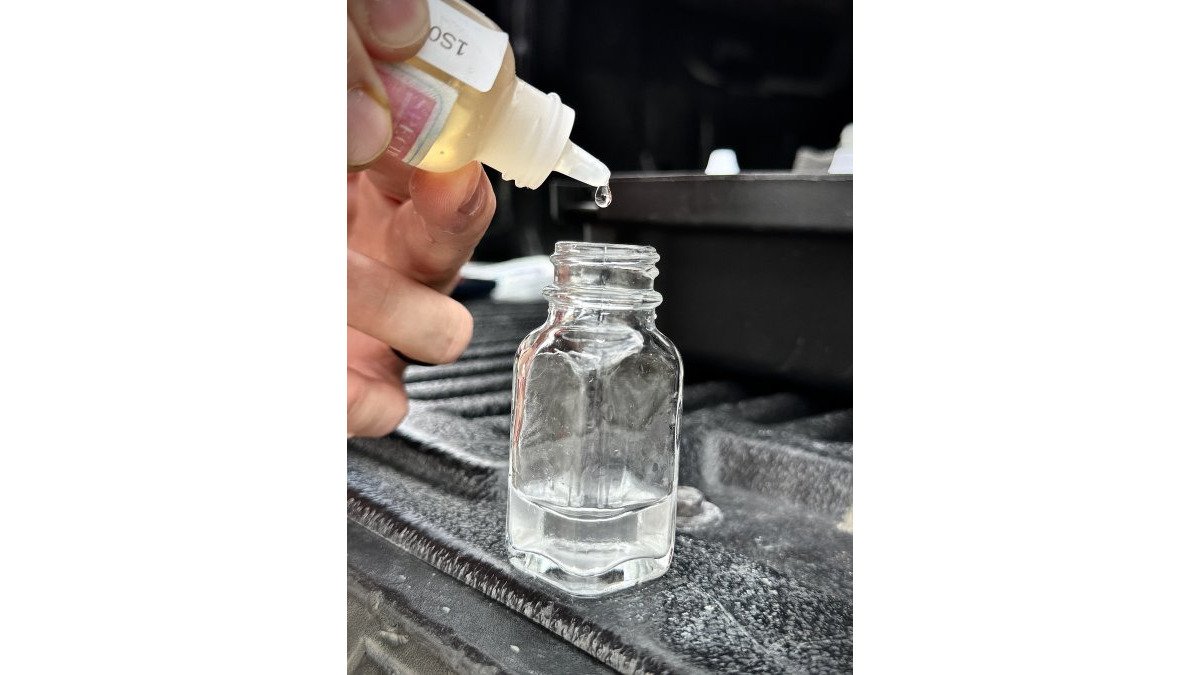
The technician will then collect water samples from your kitchen faucet.
Before leaving, the technician explains what the on-site tests show.
The Water Analysis Process: Step by Step
Step 1: Initial consultation and water history
The analysis begins with conversation. The technician asks about your water concerns and your home's plumbing setup. This context matters because water quality varies by location and age of your system.
They'll ask:
- How long have you lived in your home?
- What water source do you use (city or well)?
- Have you noticed any changes in water quality?
- What specific problems concern you most?
- Do you have existing water treatment equipment?
This information helps the technician know which water quality parameters to focus on during testing.
Step 2: Visual inspection and sample collection
The technician examines your water at the source. They look for color, cloudiness, sediment, or any visible particles.
They collect samples using sterile bottles and proper technique. Contamination during collection ruins test results, so professionals follow strict protocols.
Sample collection points matter. Kitchen faucets give the most useful results because that's where you use water for drinking and cooking.
Step 3: On-site testing for key parameters
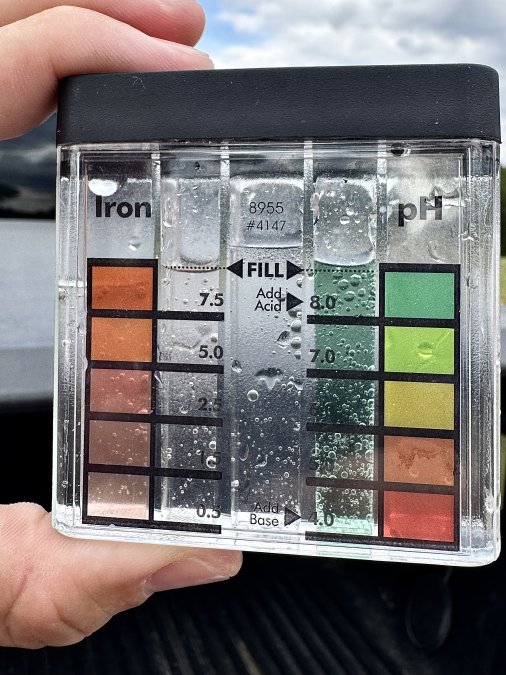
Many tests happen right at your home. The technician uses portable equipment to measure:
- pH levels - Shows if water is acidic or alkaline
- Water hardness - Measures calcium and magnesium content
- Total dissolved solids (TDS) - Indicates overall mineral concentration
- Temperature - Affects how minerals behave in water
These on-site tests give immediate results. You learn right away if your water has high hardness or unusual pH. The technician explains what each number means and how it affects your home.
Some tests require lab analysis. Samples for iron, manganese, chlorides, and bacterial testing go to a certified laboratory.
Step 4: Lab analysis and detailed results
The water samples go to a certified lab for comprehensive testing. Lab-grade testing detects contaminants that portable equipment can't measure.
The lab tests for:
- Ferrous iron and total iron content
- Manganese levels
- Bacterial contamination
- Chlorides and other dissolved minerals
- Alkalinity and calcium hardness
- Sediment and particulate matter
Your detailed report shows exactly what's in your water and at what concentrations. Each parameter has a reference level so you can see if results fall within normal ranges or indicate a problem.
Water Quality Parameters Measured
Hardness and mineral content
Water hardness measures dissolved calcium and magnesium. Hard water causes scale buildup on fixtures, appliances, and inside pipes. It makes soap less effective and leaves spots on dishes.
Hardness is measured in parts per million (ppm) or grains per gallon. Water under 60 ppm is soft. Between 60-120 ppm is moderately hard. Above 180 ppm is very hard and typically requires treatment (Hardness of Water).
Hard water doesn't pose health risks, but it damages water-using appliances. Water heaters, dishwashers, and washing machines all suffer from mineral buildup.
Iron, manganese, and sediment
Ferrous iron causes reddish-brown staining on sinks, tubs, and laundry. It dissolves in water and oxidizes when exposed to air, turning water orange or brown.
Manganese creates black or purple stains. It often appears alongside iron in well water and some city water systems.
Sediment includes fine particles like sand, silt, and clay. Cloudy water often contains sediment.
pH levels and alkalinity
pH levels measure how acidic or alkaline your water is. The scale runs from 0 (very acidic) to 14 (very alkaline), with 7 being neutral.
Water between 6.5 and 8.5 is considered acceptable. Below 6.5, water becomes corrosive and can leach copper or lead from pipes. Above 8.5, water tends toward scaling and mineral buildup (the EPA).
Alkalinity is the water's ability to resist pH changes. It's related to hardness but measures different minerals. High alkalinity often accompanies hard water and increases scaling problems.
Chlorides and other contaminants
Chlorides come from road salt, agricultural runoff, or natural mineral deposits. High chloride levels affect water taste and can corrode plumbing and appliances.
Other contaminants tested include:
- Sulfur compounds (cause rotten egg odors)
- Nitrates (concern for well water)
- Bacteria and coliform (safety issues)
- Chemical residues from treatment processes
- Heavy metals like lead or arsenic
How to Interpret a Water Analysis Report
Understanding your test results
Your report lists each parameter tested with the result. Results above certain levels indicate a problem that treatment can address.
Request My Free Water Analysis →
The report uses consistent units. Hardness appears in ppm or grains per gallon. Iron and manganese show in ppm. pH is a number from 0-14.
A good report explains what each result means in plain language.
Identifying which issues affect your home
Not every elevated result requires treatment. Some issues are cosmetic (staining, odors) while others affect health or appliance lifespan.
High hardness causes scale but poses no health risk. Iron staining is annoying but not dangerous.
The report helps you prioritize. If hardness is very high and iron is present, treating both makes sense.
What the technician recommends next
After reviewing results, the technician discusses treatment options. They explain which systems address your specific problems. A water softener solves hardness.
The technician may recommend multiple systems working together. For example, a sediment filter first (to protect other equipment), then a water softener, then a carbon filter.
Water Treatment Systems designs custom systems based on your analysis results.
Professional Water Testing vs DIY Kits
Accuracy and lab-grade testing
Professional water analysis uses certified lab equipment and trained technicians. Results are accurate and reliable. Lab tests detect contaminants at parts-per-billion levels, far more sensitive than DIY kits.
DIY test kits use chemical strips or simple color-matching. They're less precise and often miss subtle issues.
Lab analysis provides exact numbers. You know precisely how much iron, how much hardness, what pH level.
Scope of contaminant detection
Professional testing checks for dozens of contaminants:
- Bacteria and coliform
- Heavy metals like lead
- Nitrates and sulfates
- Pesticides and chemicals
- Specific minerals and dissolved solids
DIY kits typically test 5-10 parameters. They miss many contaminants that professional labs find. If your water contains lead or bacteria, a DIY kit might not detect it.
For well water especially, professional testing is essential. Wells can contain bacteria, nitrates, or other contaminants that DIY kits don't identify. You could have unsafe water and never know it with a basic test kit.
Expert interpretation and guidance
A professional technician explains what results mean for your home. They answer questions and discuss solutions.
DIY kits come with basic instructions but no expert guidance. You interpret results yourself, which often leads to confusion or wrong conclusions.
Professional analysis also provides documentation. You get a detailed report showing all testing methods and results.
Is Well Water Testing Covered by Homeowners Insurance
Homeowners insurance typically does not cover water testing costs. Testing is considered a maintenance expense, similar to inspections or routine home maintenance.
Well water testing becomes important when buying a home.
Limitations of Free Analysis and Next Steps
What free testing does and doesn't cover
A free water analysis identifies problems and measures key parameters. It doesn't treat the water, it only shows what needs treatment.
Free testing also doesn't cover everything. Some contaminants require specialized testing that costs extra.
The free analysis gives you enough information to decide whether treatment makes sense. If results show no significant problems, you might not need treatment.
Creating your post-test action plan
After receiving your analysis report, decide what to address first.
High bacterial levels or lead contamination need immediate attention.
High hardness and iron staining affect appliances and appearance but aren't health emergencies.
Water Treatment Systems helps you create a treatment plan based on your analysis.
Your next step is simple: request a free water analysis.
Frequently Asked Questions
What specific contaminants does a free water analysis typically check for?
A professional free water analysis tests for the contaminants most common in your area and water source. For well water, this includes ferrous iron, manganese, sediment, and pH levels. For city water, technicians check for chlorides, chlorine taste and odor, total dissolved solids, and water hardness. The analysis also measures calcium and magnesium levels, alkalinity, and bacterial indicators. Lab-grade testing reveals issues that DIY kits often miss, giving you a complete picture of your water quality.
How do I interpret the results of my water analysis report?
Your water analysis report provides your results. High water hardness (above 60 mg/L) causes scale buildup on appliances. Elevated iron or manganese creates staining and cloudiness. Low pH indicates corrosive water that damages plumbing. The technician explains what each parameter means for your home and which issues require treatment. They identify which problems affect your skin, dishes, water-using appliances, and plumbing integrity, then recommend solutions tailored to your results.
What is the difference between professional water testing and DIY kits?
DIY kits measure only a few basic parameters and rely on color-matching or simple strips, which lack accuracy. Professional water testing uses lab-grade equipment to detect a comprehensive range of contaminants, including those invisible to the naked eye. Technicians collect samples correctly, preventing contamination. Lab analysis identifies trace levels of iron, manganese, chlorides, and other substances that DIY kits cannot reliably detect. Professional results also come with expert interpretation and a customized action plan, not just numbers on a strip.
How long does an in-home water quality test take?
A typical free water analysis appointment takes 30 to 60 minutes. The technician begins with questions about your water concerns and history, then collects samples from your tap. On-site testing for pH, hardness, and appearance happens immediately. Additional samples are sent to a laboratory for comprehensive analysis of contaminants like iron, manganese, and total dissolved solids. You receive preliminary results during the visit and a detailed written report after lab results return.
Understanding what happens during free water analysis removes the mystery and helps you take control of your water quality. A professional analysis shows you exactly what problems exist, how they affect your home, and what solutions actually work. Water Treatment Systems provides certified testing and expert guidance to help Missouri homeowners achieve better water quality and protect their homes.