 how-to
How to Remove Manganese Stains From a Sink
Quick Summary
To remove manganese stains from a sink, first rinse it, then spray undiluted white vinegar on the mark, let it sit 5 to 10 minutes, wipe gently with a soft cloth, and rinse thoroughly. Set-in or dark manganese stains may need repeated treatments or a remover made for iron and manganese.
- Dark brown or black spots and streaks usually point to manganese, while orange stains point to iron.
- Test your method on a hidden spot of the sink before cleaning the visible surface.
- Let vinegar dwell 5 to 10 minutes for light film and 15 to 20 minutes for spots and streaks.
- Never mix vinegar with chlorine bleach, because the combination can release toxic gas.
- Stains that return within days mean manganese is still in your water, so test the water source.
Table of Contents
- What Manganese Stains Look Like and Why They Form
- Test a Hidden Spot and Gather Your Supplies
- How to Remove Manganese Stains From Sink With Vinegar
- Choosing a Manganese Stain Remover Safely
- How to Remove Manganese Stains From Sink Bathroom Fixtures
- Why Stains Return and How to Stop Them
- How to Remove Manganese From Well Water at the Source
- Booking Your Free Water Analysis With Water Treatment Systems
- Frequently Asked Questions
What Manganese Stains Look Like and Why They Form
Last Updated: November 4, 2026
Manganese stains on a sink usually look like dark brown, black, or purplish-black spots, streaks, or film. Manganese stains are common in homes that use well water, and University of Georgia Cooperative Extension guidance on iron and manganese describes these staining problems as difficult to remove with common household cleaners.
Manganese is a naturally occurring mineral found in rock and soil (Human health risk from manganese in groundwater). Water passes through these layers and picks it up. When that water reaches your sink, the dissolved manganese reacts with air and oxidizes, turning into solid particles that cling to the surface.
How Manganese Differs From Iron, Limescale and Rust Stains
Many stains look alike, so it helps to know the differences before you start cleaning:
- Manganese: Dark brown, black, or purple-black. Often shows up as spots or streaks that are harder to lift.
- Iron: Orange, reddish, or yellow-brown. Often shows up as rust-colored rings or stains around fixtures.
- Limescale: White or chalky. Forms from hard water and builds up as crusty deposits around faucets.
If the stain is dark brown or black, manganese is the more likely culprit. If it is orange, check for iron. Chalky white buildup points to limescale. Remember that a stain can be a mix of these, so test with care.
Test a Hidden Spot and Gather Your Supplies
Before you clean the whole sink, test your method in a hidden spot. Try the inside of the drain or under the rim. This shows you how the surface reacts to your cleaner.
Gather these supplies:
- Soft cloth or non-scratch sponge
- White vinegar or a commercial cleaner made for manganese or iron stains
- Spray bottle
Work in a room with good airflow. Keep gloves on the whole time, and never mix cleaners together.
How to Remove Manganese Stains From Sink With Vinegar
White vinegar is a common household option for light manganese film. Set expectations by stain severity before you start.
Match the Method to the Stain
- Fresh film (days to weeks old, light brown haze): Spray undiluted white vinegar, let it sit 5 to 10 minutes, wipe with a soft cloth, rinse. One or two passes usually clears it.
- Light spots and streaks (weeks to months): Soak a cloth or paper towel in vinegar, lay it over the mark so it stays wet, and leave it 15 to 20 minutes. Rewet if it dries out. Scrub gently with a non-scratch sponge, rinse, and repeat once if needed.
- Set-in rings and dark deposits (months to years): Vinegar alone often will not finish the job. A thicker paste of baking soda and a little water, or a vinegar soak followed by a commercial iron-and-manganese remover, is the more realistic path. Plan on multiple short treatments rather than one long soak.
Step-by-Step Vinegar Method
- Rinse the sink to remove loose dirt and standing water.
- Test a hidden spot, inside the drain, under the rim, or the back of the basin, and wait a few minutes to check for dulling or discoloration.
- Apply the vinegar. Spray undiluted white vinegar directly on the stain, or soak a cloth and lay it over the mark so the acid stays in contact instead of running off.
- Respect the dwell time. 5 to 10 minutes for light film, 15 to 20 minutes for spots and streaks. Do not let vinegar pool and dry on the surface; dried acid leaves a residue and concentrates on the finish.
- Scrub gently with a soft cloth or non-scratch sponge in small circles. Do not use steel wool, scouring pads, or pumice on any finished sink.
- Rinse thoroughly with clean water to remove all the acid.
- Dry the surface and inspect. A dry surface tells you the truth; wet stains always look lighter.
Repeat the cycle up to two or three times. If the mark is still dark after that, stop escalating with vinegar, more dwell time on an acid is not the answer, and prolonged acid contact is what damages finishes.
Why Vinegar Sometimes Fails
Vinegar may lift only the top layer of a deposit. Several factors can cause that:
- The stain is old and thick. Vinegar is a mild acid; heavy manganese buildup needs a product formulated for iron and manganese or a longer, repeated treatment schedule.
- The surface is porous or etched. Scratched porcelain, worn enamel, and natural stone hold mineral deeper than a cloth can reach, so surface cleaning only lightens the stain.
- The water is still depositing manganese. If new stains appear within days of cleaning, the sink is being re-stained faster than you can clean it, and no cleaner will keep up.
Watch out: never combine vinegar with chlorine bleach, and do not follow a vinegar treatment with a bleach-based cleaner without rinsing thoroughly first, mixing an acid with bleach releases toxic chlorine gas. Keep the room ventilated, wear gloves and eye protection, and store vinegar and cleaners out of reach of children and pets.
When to Move to a Commercial Remover
If two or three vinegar cycles leave a dark mark, switch to a cleaner labeled for iron and manganese stains and follow the label exactly, including dwell time and surface restrictions. Test it on a hidden spot first, and do not use it on natural stone or worn enamel unless the label says it is safe for that surface. If the stains keep returning within days, the next step is a water test rather than a stronger cleaner, cleaning removes the deposit, but only treating the water stops it from coming back.
Vinegar works best when you match the method to how old and how heavy the stain is.
Stain severity | Method | Dwell time |
|---|---|---|
Fresh film (days to weeks old) | Spray undiluted white vinegar, wipe, rinse | 5 to 10 minutes |
Light spots and streaks (weeks to months) | Vinegar-soaked cloth laid over the mark, scrub, rinse | 15 to 20 minutes |
Set-in rings (months to years) | Baking soda paste or commercial iron-and-manganese remover | Multiple short treatments |
Choosing a Manganese Stain Remover Safely
Some stain removers contain strong acids. Read the label before you buy or use one. Look for products made for manganese or iron staining, and follow the directions exactly.
Safety tips:
- Never mix cleaners. Combining products can release harmful fumes.
- Keep bleach away from acid cleaners.
- Ventilate the room and wear gloves and eye protection.
Watch out: Do not use chlorine bleach with vinegar or other acid cleaners. The mix can release toxic gas.
How to Remove Manganese Stains From Sink Bathroom Fixtures
Bathroom sinks concentrate manganese where water pools and dries: around the faucet base, the drain flange, the overflow hole, and the back of the basin. The method that works depends less on the stain than on what the sink is made of, because the same acid that lifts manganese from porcelain can etch stone or dull a factory finish. Match the cleaner to the surface first, then work through the stain.
Request My Free Water Analysis →

Porcelain and Vitreous China
Glazed porcelain is the most forgiving sink surface. White vinegar or a citric-acid cleaner is usually safe on the glaze, and a non-scratch sponge handles light film. For set-in brown-black rings around the drain, lay a vinegar-soaked paper towel over the mark for 15 to 20 minutes, then scrub with a soft brush and rinse. Avoid abrasive powders and pumice sticks on glazed porcelain; they scratch the glaze, and scratched glaze gives manganese a rougher surface to cling to next time.
Stainless Steel
Stainless steel is durable but shows water spots and can pit if strong acids sit on it. Use vinegar or a commercial stainless cleaner, wipe in the direction of the grain, and rinse and dry immediately. Do not leave an acid-soaked cloth on stainless for more than a few minutes, and never use chlorine bleach on stainless, bleach plus the chlorides in the steel is a well-known cause of pitting.
Enameled Cast Iron and Enameled Steel
Enamel is a glass coating over metal, and strong acids can etch or dull it. Stick to mild vinegar, a baking-soda paste, or a cleaner labeled safe for enamel. Do not use abrasive cleansers, and do not let acid sit for long dwell times. Watch out: chipped or worn enamel exposes the metal underneath, and acid on that exposed metal can cause rust staining that looks like a new manganese problem.
Composite and Solid-Surface Sinks
Composite sinks (quartz, granite composite, acrylic blends) vary widely by manufacturer. Many tolerate vinegar, but some acrylic blends can be dulled by repeated acid exposure, and some composite surfaces are damaged by solvents. Check the manufacturer's care guide before using anything stronger than dish soap and a nylon brush. A baking-soda paste with a soft brush is one gentle option for light film; reserve vinegar for spot treatment and rinse thoroughly.
Natural Stone (Marble, Travertine, Granite)
Natural stone is the surface most likely to be damaged by a manganese remedy. Vinegar, lemon juice, and most commercial descalers are acids, and acids etch calcium-based stone such as marble and travertine, leaving a dull, rough patch that cannot be polished out with household products. Use only a cleaner labeled safe for natural stone, or a pH-neutral stone cleaner, and blot rather than scrub.
Bathroom Sink Workflow
- Identify the sink material and check the manufacturer's care instructions.
- Start with the mildest option for that material (usually vinegar on porcelain and stainless, pH-neutral cleaner on stone and composite).
- Work one area at a time, faucet base, then drain, then overflow, so you can see what is working.
- Rinse and dry between areas; a dry surface shows whether the stain actually lifted or just looks lighter when wet.
- Escalate only if two mild attempts fail, and only to a product labeled for that surface.
Photo: A homeowner wipes a white porcelain bathroom sink with a soft cloth, dark brown stain visible along the drain edge.
Why Stains Return and How to Stop Them
Manganese stains often come back because the source is still in your water. Cleaning removes the surface deposits, but the mineral keeps arriving with each use.
To slow the return:
- Clean the sink regularly with a mild cleaner.
- Wipe the basin dry after use.
- Run the tap for a short time before use if water has sat in the pipes.
Regular upkeep is much easier than heavy scrubbing later.
How to Remove Manganese From Well Water at the Source
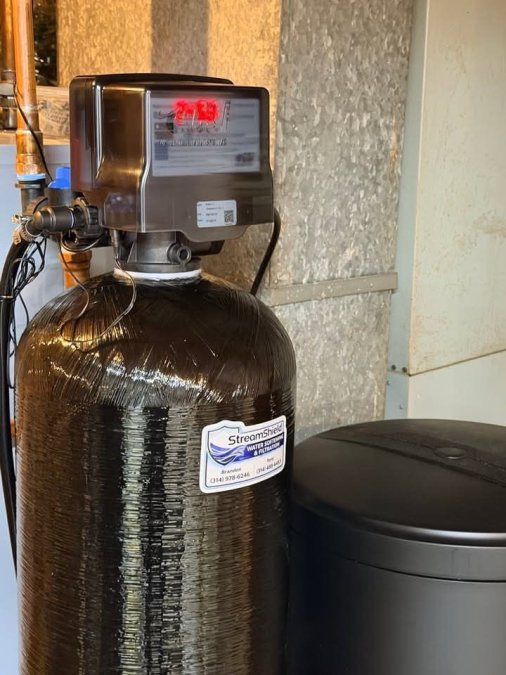
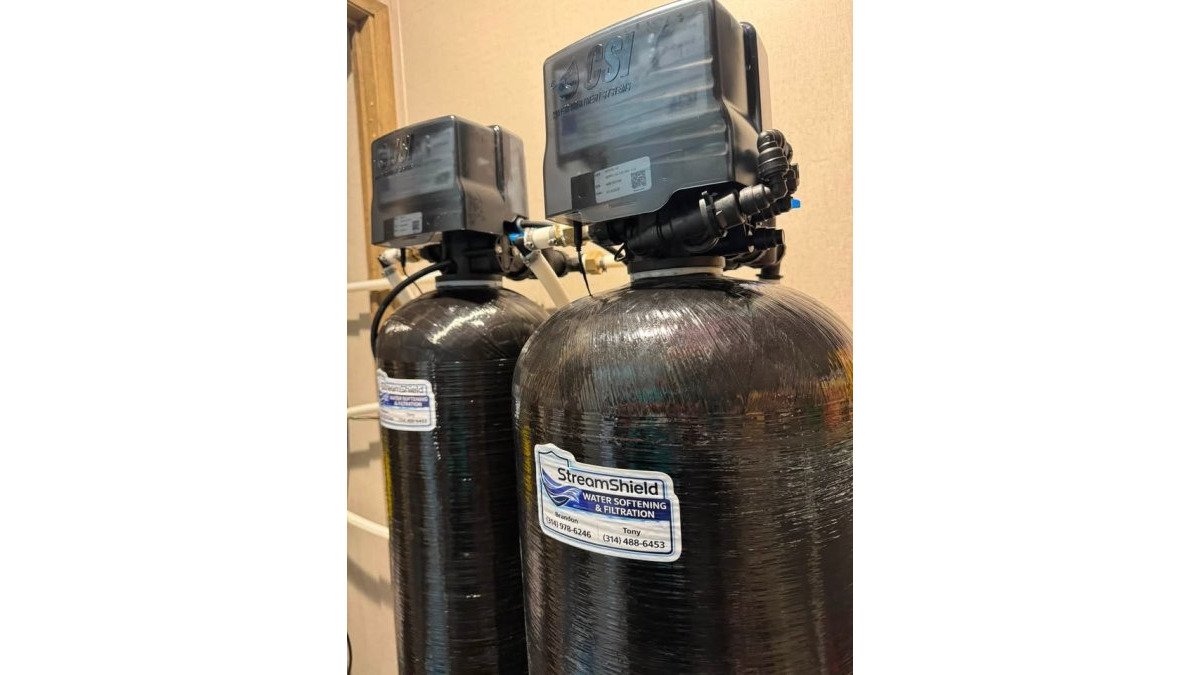
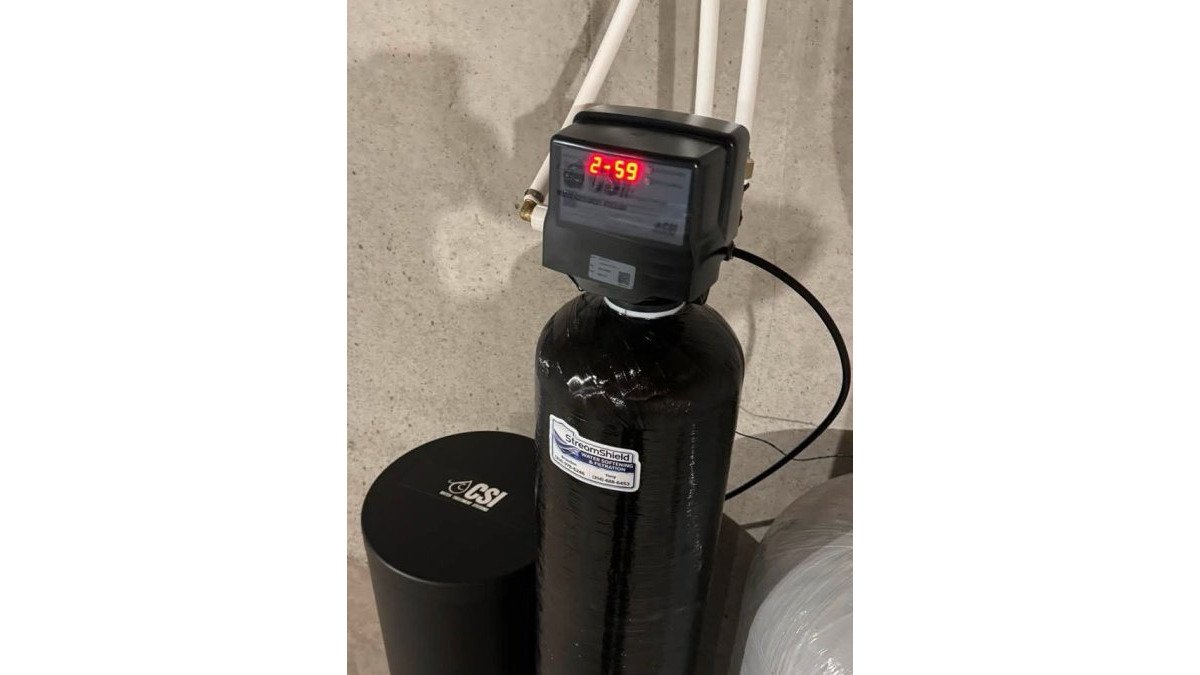
If you have a well, the lasting fix is to treat the water itself. Cleaning the sink only deals with the symptom. Water treatment reduces manganese before it reaches your faucets, appliances, and laundry.
Treatment options for well water vary, and the right choice depends on your water test results and household use. A water test is the first step, because it shows exactly what you are dealing with. North Dakota State University Extension guidance on iron and manganese removal explains that soaps and detergents do not remove these deposits, which is why treating the source matters.
Water Treatment Systems offers a professional analysis of your water to help you understand your options before you buy.
Booking Your Free Water Analysis With Water Treatment Systems
The best way to know whether manganese is the source of your stains is to test your water. At Water Treatment Systems, we offer a free water analysis so you can see what is in your supply before you spend money on a fix.
During the analysis, we test your water for the minerals behind staining and hard water issues.
Ready to find the source of your stains? [Request My Free Water Analysis] and get clear answers about your water.
Frequently Asked Questions
Can vinegar remove manganese stains from a sink?
Yes, for light and recent manganese stains, white vinegar is often a good first step because it is mild and inexpensive. Apply it full strength to the stain, let it sit for several minutes, scrub gently with a non-abrasive pad, and rinse thoroughly. Stains that are old, thick or deeply set may need a stronger product or repeated treatment. Always test a hidden area first, since vinegar can dull some finishes over time. Never mix vinegar with bleach or other cleaners.
What is the best manganese stain remover for sinks?
The best choice depends on the sink material and how severe the stain is. Many manganese stain removers are based on mild acids such as oxalic acid, and they are designed for specific surfaces. Read the label, confirm it is safe for porcelain, stainless steel or enamel, and follow the directions on dwell time. Do not assume a product that works on one surface is safe for another. A professional water analysis can help identify whether the source of the staining is in your water.
Why do manganese stains keep coming back in my sink?
Stains usually return because manganese is still reaching the sink through the water supply. Each time water runs over the surface and evaporates, small amounts of dissolved manganese can oxidize and leave a new mark. Cleaning the sink alone does not address the source in the water. Reducing manganese in the water, cleaning the surface regularly and wiping it dry after use can slow the return of stains.
How do you remove manganese from well water?
Removing manganese from well water usually requires treatment at the point of entry or at the tap, not only cleaning fixtures. Common approaches include oxidizing filters, water softeners rated for manganese and specialized media filters. The right system depends on your water test results, including manganese levels and pH. A professional water analysis is the reliable way to identify the correct treatment for your home.