 how-to
How to Stop Scale on Water Heaters
Table of Contents
- What Causes Scale Buildup in Water Heaters
- Signs of Hard Water in Your Home
- How to Stop Scale: Step-by-Step Flushing Procedure
- Using Vinegar to Descale Your Water Heater
- Water Heater Flushing Frequency and Schedule
- Benefits of Whole House Water Softeners
- DIY vs. Professional Maintenance: Cost-Benefit Analysis
- Preventing Scale: Long-Term Strategies
- Frequently Asked Questions
Last Updated: September 25, 2026
What Causes Scale Buildup in Water Heaters
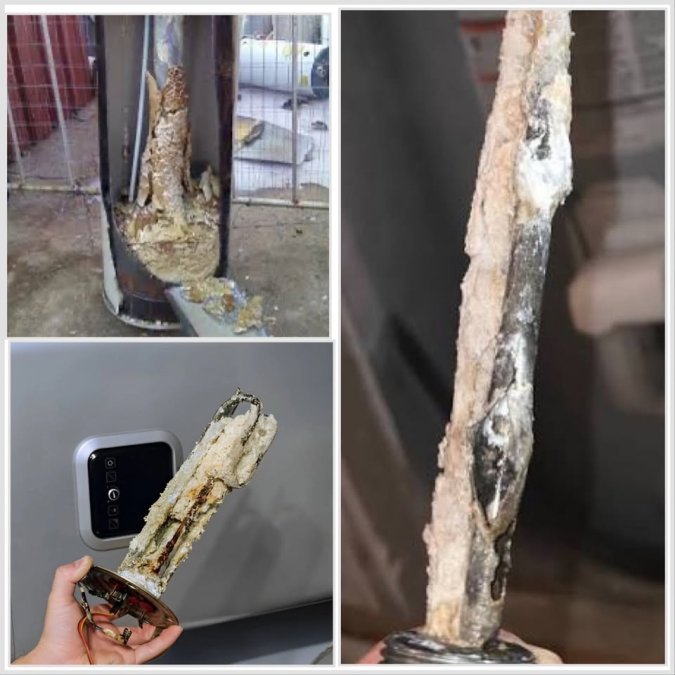
Scale forms when hard water minerals accumulate inside your water heater tank. The main culprits are calcium carbonate and magnesium, which precipitate out of solution when water heats up. Over time, these mineral deposits create a thick layer of scale on the heating element and tank bottom.
Hard water is the root cause. Dissolved minerals crystallize and stick to surfaces when heated, and hotter water accelerates this process.
A few key factors speed up the process:
- Tank temperature: Water heaters set above 120°F accumulate scale faster
- Water hardness: Homes with very hard water see buildup within months
- Tank age: Older tanks collect more sediment at the bottom
- Mineral composition: Water high in magnesium builds scale quicker than calcium-heavy water
Understanding what causes scale is the first step toward learning how to stop scale on water heaters through prevention. Water Treatment Systems helps homeowners identify their specific water issues through professional water analysis to choose the right approach to stop scale before it damages appliances.
Signs of Hard Water in Your Home
Hard water leaves visible clues: spotty dishes, cloudy glassware, white buildup on faucets and showerheads, dry skin and dull hair. Laundry fades faster and feels stiff, and soap doesn't lather well.
Common signs of hard water include:
- Soap scum buildup in tubs and showers
- Reduced water pressure from mineral blockages
- Stiff, dingy laundry despite using detergent
- Dry skin and hair after bathing
- Spots and film on dishes and glassware
- Reduced efficiency of your water heater
- Shorter lifespan of appliances like dishwashers and washing machines
If you notice several of these signs, your water is likely hard. While it poses no health risks, it accelerates scale buildup in pipes and appliances, so addressing it promptly protects your water heater and plumbing system.
How to Stop Scale: Step-by-Step Flushing Procedure
Flushing your water heater removes sediment and scale buildup before it causes serious damage. This process works best when done regularly, ideally once per year for most homes.
What You'll Need Before Starting
Gather these items before you begin:
- Adjustable wrench or socket set
- Garden hose (long enough to reach a drain or outside)
- Bucket (to catch initial water discharge)
- Towels or rags
- Flashlight
- Flat-head screwdriver (for some drain valves)
- Work gloves
Safety first: Turn off the power (flip the breaker for electric units; set gas units to "pilot"). Let the tank cool for at least 30 minutes before starting.
Flushing Your Tank Water Heater
Follow these steps to flush your traditional tank water heater:
Step 1: Turn off the water supply and power [Time: 2 minutes]
Locate the cold water inlet at the top of the tank and turn the shut-off valve clockwise. For electric heaters, flip the breaker to OFF; for gas heaters, turn the thermostat to "pilot."
Step 2: Let the tank cool [Time: 30 minutes]
Wait at least 30 minutes for the tank to cool to prevent burns.
Step 3: Attach a hose to the drain valve [Time: 5 minutes]
The drain valve is located at the base of the tank. Attach your garden hose securely. Route the hose to a floor drain, sump pit, or outside. Position a bucket underneath to catch the first discharge of hot water and sediment.
Step 4: Open the drain valve [Time: 2 minutes]
Turn the drain valve handle counterclockwise. Brown or cloudy water indicates sediment and scale particles leaving the tank, exactly what you want to remove.
Step 5: Drain the full tank [Time: 30-45 minutes]
Let the tank drain completely until no more water flows out.
Step 6: Flush with clean water [Time: 10 minutes]
Briefly turn the cold water inlet on to stir up remaining sediment, then turn it off and drain. This second flush clears finer particles.
Step 7: Close the drain valve and refill [Time: 5 minutes]
Close the drain valve clockwise, disconnect the hose, and turn the cold water inlet back on to refill the tank.
Step 8: Restore power [Time: 2 minutes]
Flip the breaker back on for electric heaters or turn the thermostat to your desired temperature for gas heaters. Hot water returns within 30-60 minutes.
Flushing a Tankless Water Heater
Tankless units require a different approach because they have no tank to drain. You'll need a submersible pump and a specialized descaling solution.
Step 1: Gather supplies [Time: 5 minutes]
Gather a submersible pump, two 5-gallon buckets, food-grade vinegar or descaling solution, and hoses for your unit's isolation valves.
Step 2: Turn off power and water [Time: 2 minutes]
Switch off the power at the breaker. Close both the hot and cold water shut-off valves on the unit.
Step 3: Connect the pump and hoses [Time: 10 minutes]
Attach hoses to the isolation valves. Place one end in a bucket with descaling solution and the other end in an empty bucket. The pump circulates the solution through the heat exchanger.
Step 4: Run the solution through [Time: 45 minutes]
Turn on the pump and let the descaling solution circulate through the unit to dissolve mineral deposits in the heat exchanger.
Request My Free Water Analysis →
Step 5: Flush with clean water [Time: 15 minutes]
Disconnect the solution bucket and run clean water through the system to rinse out any remaining descaling agent.
Step 6: Restore the system [Time: 5 minutes]
Close the isolation valves, disconnect the hoses, and turn the power back on. Open the main water shut-off valve.
Tankless units benefit from annual descaling in areas with hard water. The heat exchanger can become blocked by scale, reducing efficiency and water flow.
Using Vinegar to Descale Your Water Heater
White vinegar is an effective, natural descaling agent that dissolves calcium carbonate and magnesium deposits. Acetic acid in vinegar reacts with mineral scale and breaks it down on the heating element and tank walls. The process takes longer than commercial descalers but costs much less.
For tank heaters:
Mix one part white vinegar with one part water. Pour this solution into the tank through the cold water inlet after draining. Let it sit for 1-2 hours. Then drain the tank again and flush with clean water. This works well for light mineral buildup.
For tankless units:
Use undiluted white vinegar in your pump circulation system. Run it through for 45 minutes, then flush thoroughly with clean water. Vinegar can leave an odor, so the final flush is important.
Pros: Inexpensive, non-toxic, safe for plumbing, no special disposal needed, works on light to moderate scale.
Cons: Takes longer than commercial products, less effective on heavy scale, can leave vinegar smell, requires more frequent applications.
For homes with very hard water, commercial descaling solutions work faster.
Water Heater Flushing Frequency and Schedule
Flushing frequency depends on water hardness: soft water every 2-3 years, moderately hard every 1-2 years, very hard every 6-12 months. Most homeowners should flush annually to remove sediment before it reduces efficiency and damages the heating element.
Signs you need to flush sooner:
- Reduced hot water output
- Longer time to get hot water
- Popping or rumbling sounds from the tank
- Rusty or cloudy hot water
- Higher energy bills despite normal usage
Benefits of Whole House Water Softeners
A whole house water softener solves the hard water problem at the source. Instead of treating symptoms, it removes the minerals causing scale before they enter your pipes and appliances.
How water softeners work:
Benefits for your water heater:
- Eliminates scale buildup on the heating element
- Reduces sediment accumulation in the tank
- Extends water heater lifespan by 5-10 years
- Improves heating efficiency and lowers energy bills
- Prevents mineral blockages in pipes
Additional benefits throughout your home:
- Softer skin and shinier hair
- Cleaner dishes and glassware
- Brighter, softer laundry
- Better soap lather and less detergent use
- Longer life for dishwashers, washing machines, and other appliances
DIY vs. Professional Maintenance: Cost-Benefit Analysis
Both approaches have merit. The choice depends on your comfort level, water hardness, and long-term goals.
DIY flushing:
Professional flushing:
Professional benefits:
- Thorough removal of scale and sediment
- Early detection of tank corrosion, anode rod wear, or other issues
- Proper handling of hot water and disposal of sediment
- Expertise with both tank and tankless units
- Peace of mind that the job is done right
Long-term strategy:
Preventing Scale: Long-Term Strategies
Regular flushing helps, but prevention is more effective than treatment. A few strategic changes protect your water heater for years.
Lower your water heater temperature:
Install a sediment trap:
Use a water softener:
Maintain your anode rod:
Flush on schedule:
Monitor water pressure:
Check for leaks:
Frequently Asked Questions
What causes scale buildup in water heaters?
Scale forms when hard water minerals—primarily calcium carbonate and magnesium—accumulate on the heating element and tank interior. As water heats, these minerals separate from the water and bond to surfaces, creating a crusty deposit layer. This process accelerates in areas with hard water and is unavoidable without treatment. The longer sediment sits in your tank, the thicker the scale layer becomes, reducing efficiency and lifespan.
How often should I flush my water heater to remove scale?
Most homeowners should flush their water heater annually, though frequency depends on water hardness. If you have very hard water or high mineral content, flushing every 6 months extends tank life and maintains heating efficiency. If your water is moderately hard, annual flushing is usually sufficient. A professional water analysis can determine your specific hardness level and recommend the ideal flushing schedule for your situation.
Does a water softener prevent scale in water heaters?
Yes. A whole-house water softener removes calcium and magnesium before water enters your plumbing system, virtually eliminating scale formation at the source. This protects not only your water heater but also your dishwasher, washing machine, and pipes from mineral damage. Water softeners also improve skin feel, reduce soap scum, and extend appliance life—benefits that go beyond scale prevention alone.
Can vinegar remove scale that's already built up in my water heater?
Vinegar's acetic acid dissolves calcium carbonate deposits, making it effective for light to moderate scale. For tankless units with accessible heat exchangers, vinegar flushing works well. For tank water heaters with heavy sediment buildup, vinegar may require multiple applications or extended soak time. If scale is severe or your tank is old, professional descaling or tank replacement may be more practical than repeated vinegar treatments.