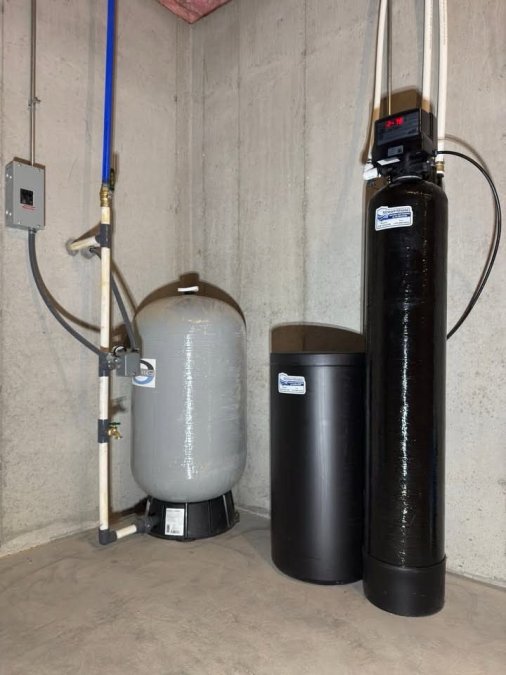
 how-to
Does Water Softening Remove Existing Pipe Scale
Table of Contents
- The Short Answer: What Water Softening Actually Does (and Doesn't)
- How Ion Exchange Water Softeners Work to Prevent Scale Buildup
- Why Softened Water Won't Dissolve Existing Pipe Scale
- Signs of Scale Buildup in Your Plumbing System
- Low Water Pressure From Mineral Buildup: Causes and Solutions
- How to Remove Scale Buildup From Pipes: Your Options
- Protecting Your Plumbing: When to Install a Water Softener
- Conclusion
- Frequently Asked Questions
Last Updated: October 5, 2026
The Short Answer: What Water Softening Actually Does (and Doesn't)
Water softening removes hardness minerals going forward, preventing new scale on pipes, fixtures, and appliances. But here's what most people get wrong: does water softening remove existing pipe scale? No. Softened water won't dissolve deposits already inside your pipes.
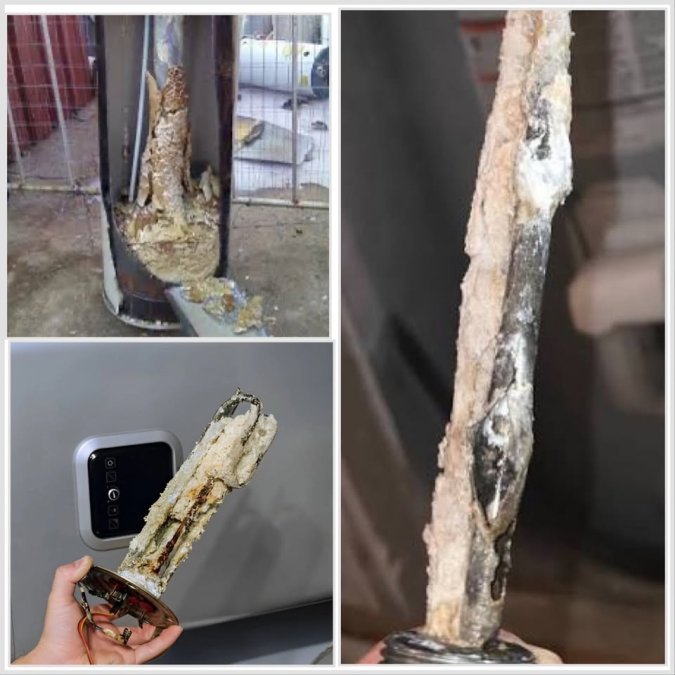
A water softener is a shield: it stops new damage but doesn't repair what's already broken.
If your pipes already have scale, you need a different approach. At Water Treatment Systems, we help homeowners understand this distinction, because installing a softener when you have severe existing scale might not solve your immediate problem.
Here's how softeners work, why they can't remove old deposits, and what your options are.
How Ion Exchange Water Softeners Work to Prevent Scale Buildup
A water softener uses ion exchange to prevent scale from forming. Hard water passes through a tank of resin beads, which attract calcium and magnesium ions (the minerals that cause hardness) and swap them for sodium or potassium ions.
The result is softened water that won't leave crusty deposits on showerheads, coat pipes with limescale, or spot your dishes, and your water heater stays cleaner.
But this process only works on water flowing through the softener right now. It can't reach inside pipes to dissolve minerals already stuck to the walls.
Preventing new scale is different from removing old scale: a softener excels at prevention and fails at removal.
Why Softened Water Won't Dissolve Existing Pipe Scale
Most articles answer this with a flat "no," which leaves you stuck when a forum post claims someone's scale "disappeared" after installing a softener. The real answer requires understanding what scale is made of and what breaks it down.
What pipe scale is actually made of
Scale is mostly calcium carbonate (CaCO₃), with smaller amounts of magnesium carbonate and sometimes calcium sulfate. These compounds have low solubility. When hard water is heated or evaporates, dissolved calcium and bicarbonate ions recombine and precipitate as solid crystals that attach to pipe walls, heat exchanger surfaces, and fixture aerators.
Once those crystals form a coherent deposit, they behave less like loose powder and more like a thin layer of rock bonded to the pipe, a mineral crust, not a sediment.
Why neutral softened water cannot dissolve that crust
A conventional ion-exchange softener swaps calcium and magnesium for sodium or potassium ions. The water leaving the softener is still near-neutral in pH, typically 7 to 8, depending on source water. It is not acidic.
Calcium carbonate dissolves readily only in acidic water, where hydrogen ions convert carbonate into soluble bicarbonate and free calcium (pubmed.ncbi.nlm.nih.gov). Neutral water lacks the hydrogen ion concentration to drive that reaction at any meaningful rate, so softened water flowing past established scale does essentially nothing chemically. The deposit sits there.
This resolves the conflicting claims online: a softener changes what is in the water, not what is already on the pipe.
Where the "softened water slowly removes scale" claim comes from
There is a kernel of truth behind the anecdotes.
- Reduced new deposition. Once hardness minerals are removed, the pipe stops accumulating new scale. Existing deposits may appear thinner over time simply because nothing is being added on top of them.
- Mechanical sloughing. Water flowing past an old, brittle deposit can knock off flakes, especially after pressure changes or thermal cycling. This is physical erosion, not dissolution, and it is unpredictable.
- Misattribution. Many homeowners who report "scale disappearing" also changed fixtures, replaced a water heater, or ran a descaling product around the same time. The softener gets credit for something else's work.
What this means for your pipes
If your pipes already carry meaningful scale, softened water will not restore lost diameter or flow. Waiting for a softener to "eat through" the deposit is hope, not a plan. If flow is compromised, address the deposit directly; the softener's job is keeping the problem from returning.
Water hardness and scale chemistry overview
Signs of Scale Buildup in Your Plumbing System
Scale buildup announces itself in specific ways.
Low water pressure is the most obvious symptom. Scale narrows the inside diameter of pipes. Water has less space to flow.
White or tan crusty deposits on aerators and showerheads are visible scale.
Discolored water sometimes appears when scale flakes off pipes, showing a cloudy or slightly tan tint.
Reduced flow from specific fixtures suggests localized blockage, the kitchen faucet works fine but the upstairs shower is weak, indicating scale narrowing that pipe section.
Appliance problems can signal scale inside your water heater or dishwasher, longer heat times, poorer cleaning, because these appliances have narrow internal passages where scale accumulates fast.
If you see any of these signs, you have existing scale. A water softener stops more from forming but won't fix what's already there.
Low Water Pressure From Mineral Buildup: Causes and Solutions
Low water pressure from mineral buildup develops gradually, and most homeowners don't notice until it's serious.
Scale deposits narrow the pipe opening, forcing water through a smaller space and dropping pressure. The effect compounds over time: a pipe 50 percent blocked by scale cuts water flow roughly in half.
Older homes with galvanized steel pipes are especially vulnerable: they corrode from the inside, and corrosion products mix with mineral deposits to create thick, stubborn buildup that's hard to remove.
Request My Free Water Analysis →
Location matters too. Scale accumulates worst where water sits or heats up: the water heater inlet pipe often has heavy scale, and the hot water line to your master bathroom builds up worse than cold lines.
What you can do right now:
- Check your water pressure at different fixtures. Low pressure everywhere suggests a main line problem. Low pressure in one area suggests localized scale.
- Unscrew aerators from faucets and soak them in white vinegar. Vinegar is mildly acidic and dissolves some scale. This helps aerators but won't fix internal pipe scale.
- Have a professional inspect your pipes if pressure is severely low. They can determine whether scale is the culprit.
A water softener prevents future pressure loss. But for existing scale, you need active removal or replacement.
How to Remove Scale Buildup From Pipes: Your Options
Once you accept that a softener will not clear existing scale, the next question is what will. The right remedy depends on two things most guides ignore: how severe the blockage is and what your pipes are made of. Aggressive descaling on the wrong material can turn a flow problem into a leak.
First, match the remedy to severity
Use this framework before you call anyone or buy anything.
- Mild, isolated fixture symptoms. Chalky buildup on aerators and showerheads, but whole-house pressure is normal. Start with fixture-level cleaning.
- Moderate, one zone or one appliance affected. A single bathroom runs weak, or the water heater recovers slowly. Targeted descaling or professional cleaning of that branch is usually appropriate.
- Severe, system-wide low pressure or repeated flaking. Multiple fixtures weak, discolored water, or a water heater that has already been replaced once. This warrants professional inspection before any chemical treatment.
Match the remedy to pipe material
Pipe material determines what is safe, the part most articles skip.
Copper. Copper tolerates mild acid descaling but is not immune; prolonged strong-acid exposure can pit the interior. Professional descaling with controlled concentration and flush time is safer than pouring vinegar or a commercial descaler into the main line.
Galvanized steel. These older pipes are the highest-risk category: already corroded internally, with the scale layer often holding together what's left of the pipe wall.
PEX and CPVC. Plastic piping doesn't scale like metal and resists mild descaling solutions, but some solvents and strong acids degrade plastic over time. Check the manufacturer's compatibility guidance before introducing any chemical.
Older mixed systems. Partially repiped homes, copper in one area, galvanized in another, need a plumber who assesses each section separately, since a treatment fine for copper may destroy remaining steel.
The realistic remedy menu
Fixture-level cleaning. Unscrew aerators and showerheads and soak them in white vinegar overnight. Safe, cheap, and effective for removable parts, but it does nothing for scale inside the walls.
Targeted chemical descaling. A plumber introduces a plumbing-rated descaler into a specific branch, lets it dwell for a controlled period, then flushes thoroughly. Works well on moderate scale in copper and plastic; risky in galvanized steel.
Hydro-jetting. High-pressure water scours the pipe interior. Effective on loose or moderate deposits, less so on hard, tightly bonded scale, and it carries risk in fragile older pipes.
Pipe replacement. When scale is severe, pipes are galvanized and corroded, or descaling would risk leaks, replacement with copper or PEX is the durable answer, the most expensive option, but the only one that fully resets the clock.
The sequence that actually works
Whatever remedy you choose, the order matters:
- Diagnose severity and pipe material before treating anything.
- Remove or reduce existing scale with the least aggressive method that will work.
- Install a correctly sized softener to prevent new scale from forming.
- Re-test hardness and monitor flow to confirm the softener is doing its job.
A softener installed before existing scale is addressed protects pipes from new damage but won't restore flow you've already lost.
Home plumbing pipe materials and maintenance guidance
Protecting Your Plumbing: When to Install a Water Softener
Install a water softener when you have hard water and want to prevent scale damage, ideally before scale becomes serious.
If you already have scale, address that first. Remove or flush out the existing deposits. Then install a softener to keep new scale from forming. This order matters.
Water testing tells you whether you need a softener. Hard water typically contains more than 7 grains per gallon of hardness minerals, above which scale risk rises significantly.
A professional water analysis reveals exactly what's in your water and what's damaging your home, guiding the right solution.
The sooner you act, the less damage accumulates. Water softening is preventative maintenance for your entire plumbing system.
Conclusion
Does water softening remove existing pipe scale? No, but it prevents new scale from forming. If you already have buildup, you need professional pipe cleaning or replacement. After that, a water softener protects your investment.
Water Treatment Systems helps homeowners in Missouri understand their water quality and choose the right treatment. We conduct free water analyses to identify hard water, scale risk, and other issues affecting your home. Our custom-designed systems protect your pipes, water heater, and appliances while improving water taste and quality. Request your free water analysis today to see what's in your water and what solution makes sense for your situation.
Frequently Asked Questions
Will a water softener remove existing limescale from my pipes?
No. Water softeners prevent new scale formation by removing hardness minerals (calcium and magnesium) from incoming water, but they cannot dissolve deposits already coating the inside of your pipes. Existing limescale requires mechanical removal, chemical descaling, or pipe replacement. Installing a softener stops the problem from getting worse, but established scale remains until you take direct action to remove it.
How long does it take for existing pipe scale to break down after installing a water softener?
It won't break down on its own. Softened water is not acidic enough to dissolve established mineral deposits. Some homeowners report minor, slow reduction in visible scale over years of soft water use, but this is minimal and unreliable. To actually remove scale buildup, you need professional descaling, chemical treatment, or pipe replacement—not just water softening.
Can hard water scale reduce water pressure in my home?
Yes. As mineral deposits accumulate inside pipes and fixtures, they narrow the water passages and restrict flow. You may notice reduced pressure at faucets, showerheads, or appliances. If scale has built up significantly, you could lose 20-40% of your water pressure. A water softener prevents this by stopping new scale formation, but won't restore pressure lost to existing deposits—you'll need descaling or pipe cleaning for that.
What's the difference between preventing scale and removing existing deposits?
Prevention means stopping new mineral buildup before it starts—this is what water softeners do by removing hardness minerals through ion exchange. Removal means getting rid of scale already stuck inside pipes and on fixtures. These require different solutions. A softener handles prevention; descaling chemicals, professional hydro-jetting, or pipe replacement handle removal. You may need both if your plumbing already has significant buildup.