 how-to
7 Signs of Hard Water in Your Home
Last Updated: October 25, 2026
Quick Summary
Signs of hard water include white chalky mineral deposits on faucets and fixtures, spotty cloudy dishes, soap scum buildup, reduced water pressure, and dry itchy skin. These visible indicators show that calcium and magnesium minerals have dissolved into your water supply and are accumulating throughout your home.
- White or gray crusty mineral deposits can reduce showerhead flow by up to 75 percent in 18 months.
- Hard water stains are white, gray, or chalky and appear on fixtures and dishes but wipe away with vinegar or descaler.
- Scale buildup inside pipes reduces water pressure and forces water heaters to work harder, raising energy bills.
- Test water hardness at home with inexpensive test strips measuring grains per gallon or milligrams per liter.
- Homes above 7 gpg generally benefit from a water softener to prevent appliance damage and scale buildup.
Table of Contents
- What Hard Water Is and Why It Matters
- White and Chalky Mineral Deposits on Faucets and Fixtures
- Hard Water Stains on Faucets and Dishes
- Soap Scum, Soap Residue, and Difficulty Getting Lather
- Hard Water Scale in Pipes and Appliances
- How to Test Water Hardness at Home
- Hard Water vs. Iron in Water: How to Tell the Difference
- Dry Skin, Dull Hair, and Rough Laundry
- Frequently Asked Questions
What Hard Water Is and Why It Matters
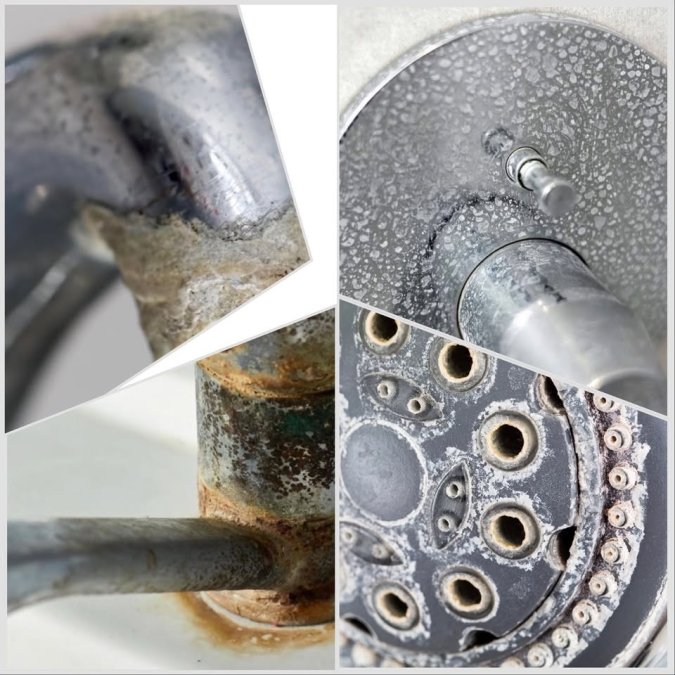
Hard water occurs when calcium and magnesium minerals dissolve into your water supply and build up over time, creating visible problems throughout your home.
I M G 8779
Mineral content varies by location: some areas have naturally soft water, while others deal with deposits that require treatment. In hard water regions, you'll notice the effects quickly.
Hard water isn't dangerous to drink, but it creates real household problems: mineral buildup clogs pipes, reduces water pressure, damages water heaters and dishwashers, and leaves residue everywhere.
At Water Treatment Systems, we help homeowners identify and solve hard water problems specific to their water source. Learn how to get soft water at home with proven methods.
The good news: hard water is fixable.
White and Chalky Mineral Deposits on Faucets and Fixtures
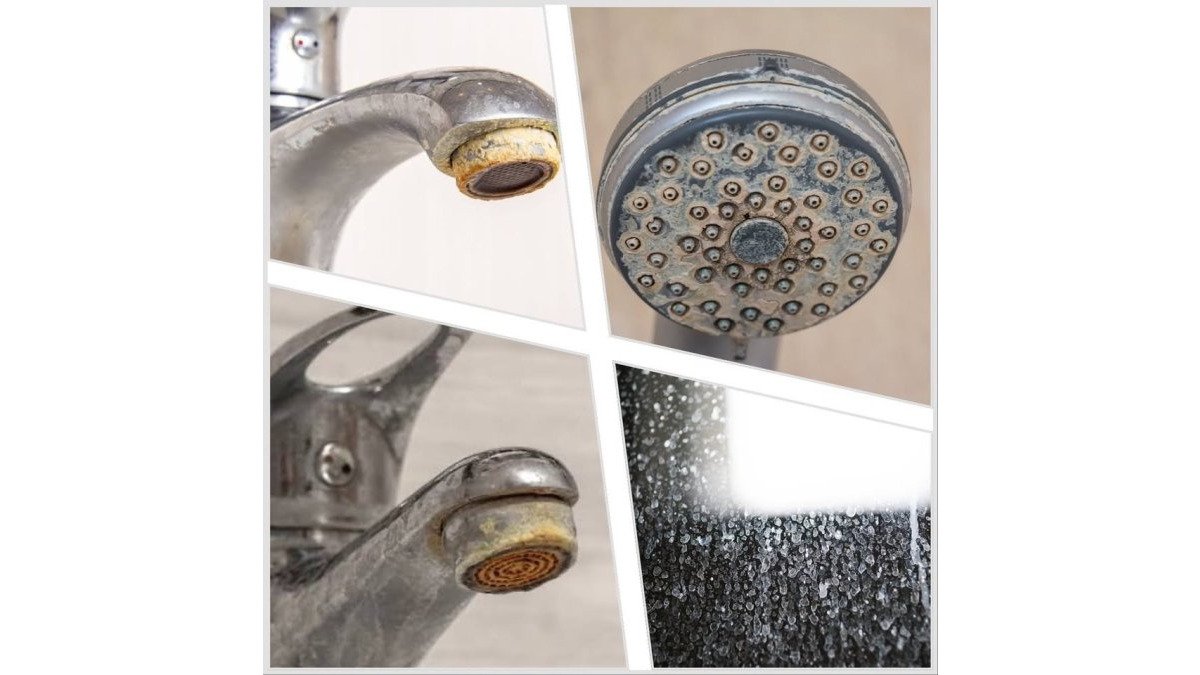
White, chalky buildup on faucets and showerheads is the most obvious sign of hard water. This mineral crust forms when water evaporates and leaves calcium and magnesium behind.
The buildup happens gradually. According to ABC17 News report on water scaling, hard-water scaling can reduce showerhead flow by up to 75% in 18 months.
You can clean these deposits with vinegar or a commercial descaler, but if they return quickly, you have a hard water problem and need a real solution.
Hard water deposits also appear on:
- Faucet aerators (the screen at the tip)
- Showerhead holes
- Bathtub and sink rims
- Tile and grout around fixtures
Hard Water Stains on Faucets and Dishes
Spotty, cloudy dishes and glassware are a classic hard water symptom.
Cloudy or spotted drinking glasses out of the dishwasher mean hard water: minerals don't rinse away completely, drying on the surface and leaving white or grayish marks.
The same filmy, spotty buildup appears on chrome or stainless steel faucets. These stains are purely cosmetic but make fixtures look dirty even when they're clean.
Hard water stains also appear on:
- Shower doors and bathtub walls
- Sink basins
- Countertops near faucets
- Windows and mirrors
- Car windshields
The mineral film dulls dishes and can slightly affect the taste of beverages, but most importantly it's a clear signal your water is hard.
Soap Scum, Soap Residue, and Difficulty Getting Lather
Hard water makes soap behave differently: instead of fluffy bubbles, you get thin, weak foam, because calcium and magnesium interfere with how soap works.
You need more soap to feel clean because it reacts with minerals instead of cleaning your skin, creating soap scum instead of suds.
Soap scum builds up on:
- Shower walls and doors
- Bathtub surfaces
- Sink basins
- Your skin and hair
The gray or brown film on your shower enclosure is soap scum mixed with mineral deposits, stubborn to clean and quick to return.
Laundry suffers too: clothes feel stiff and rough, colors fade faster, whites look dingy, and you use more detergent for worse results, classic hard water damage to fabrics.
Hard Water Scale in Pipes and Appliances
Scale buildup inside pipes is invisible but serious: mineral deposits accumulate on the inside walls of your plumbing and reduce water pressure throughout your home.
Your water heater is especially vulnerable: scale forms on the heating element, forcing it to work harder and use more energy, raising bills and shrinking its lifespan.
Dishwashers and washing machines suffer similar damage as scale clogs spray arms and inlet valves, making repairs frequent and expensive. Learn whether water softening can prevent appliance scale.
Watch for these signs of scale damage:
- Reduced water pressure at faucets
- Hot water takes longer to arrive
- Appliances run louder than normal
- Heating bills increase noticeably
- Appliances need repairs more often
Scale can eventually block water flow completely, and preventing buildup is far cheaper than replacing pipes later.
Benjamin Franklin Plumbing's guide to hard water signs notes that soap-scum buildup on shower doors, sinks, and tile is a visible indicator of hard water problems throughout your home.
How to Test Water Hardness at Home
Testing your water hardness is simple and inexpensive, and it turns a list of symptoms into a treatment decision.
Here is how to test with strips:
Request My Free Water Analysis →
- Fill a clean glass with tap water from the kitchen sink (cold water, after the line has run for a few seconds).
- Follow the kit instructions carefully.
- Dip the test strip into the water.
- Wait the specified time (usually 15-30 seconds).
- Compare the strip color to the chart included in the kit.
- Read your hardness level in grains per gallon (gpg) or milligrams per liter (mg/L).
Most test kits measure hardness in grains per gallon; one gpg equals about 17.1 mg/L (ppm).
Here is what the numbers mean, using the conventional U.S. Geological Survey hardness scale:
- 0-3.5 gpg (0-60 mg/L): Soft
- 3.5-7 gpg (61-120 mg/L): Moderately hard
- 7-10.5 gpg (121-180 mg/L): Hard
- 10.5+ gpg (181+ mg/L): Very hard
A strip reading of 8 gpg is about 137 mg/L and falls in the hard range; 12 gpg is very hard. Most practitioners find homes above roughly 7 gpg benefit from a softener, while homes at 3.5-7 gpg may do fine with cleaning and a point-of-use filter.
A single strip test is a snapshot: hardness varies by season and source, especially where some homes draw from municipal surface water and others from private wells.
For a more accurate and thorough result, a professional water analysis is the better choice. Book a free home water quality analysis to get precise measurements and personalized recommendations for your water.
Professional testing identifies not just hardness but also:
- Iron content
- Chlorine levels
- pH balance
- Other contaminants
Testing at home gives you a quick answer. Professional testing gives you a complete picture of your water quality and the best treatment options.
Water hardness is measured in grains per gallon or milligrams per liter, and the U.S. Geological Survey scale classifies your water into four categories.
Hardness Level | Grains per Gallon | Milligrams per Liter | Classification |
|---|---|---|---|
Soft | 0-3.5 | 0-60 | Soft |
Moderately hard | 3.5-7 | 61-120 | Moderately hard |
Hard | 7-10.5 | 121-180 | Hard |
Very hard | 10.5+ | 181+ | Very hard |
Hard Water vs. Iron in Water: How to Tell the Difference
Hard water stains are white, gray, or chalky. They appear on fixtures and dishes and are mineral deposits that are mostly cosmetic.
Iron stains are reddish-brown or orange. They appear on sinks, toilets, and laundry and can be harder to remove.
Test your water to know for sure. Water Treatment Systems provides comprehensive water analysis that identifies both issues.
Iron in water also causes:
- Orange or brown discoloration in toilet tanks
- Rust-colored stains on laundry
- Metallic taste in water
- Staining that does not wash off easily
Hard water causes:
- White mineral spots on dishes
- Soap scum buildup
- Reduced water pressure
- Stiff laundry
Both problems require treatment, but the solutions differ. Hard water needs a water softener. Iron water needs an iron filter or oxidizing filter.
Other causes that mimic hard water
Hard water is not the only reason a home shows white residue, spotting, or dry skin. Before you buy a softener, rule out these look-alikes:
- Plumbing corrosion. White or greenish crust on pipe joints and fixtures can come from a failing anode rod or corrosive water, not hardness. Corrosion often comes with a metallic taste or pinhole leaks, which hardness does not cause.
- Cleaning-product residue. Dishwasher rinse aid, powdered detergent that does not dissolve, and hard-surface cleaners can leave films and streaks that look like mineral spots. Try a rinse-aid-free cycle and a plain-water wipe before blaming the water.
- Toilet and fixture wear. A constantly running toilet or a worn flapper can leave mineral rings that look like hardness stains but are really from evaporation at a slow leak.
- Skin and hair conditions. Dry, itchy skin and dull hair have many causes, including soap choice, water temperature, and dermatologic conditions such as eczema or seborrheic dermatitis. Hard water can worsen these, but it is rarely the sole cause. If symptoms persist after softening, a dermatologist is the right next step.
- Water pressure changes from other sources. Reduced flow can come from a clogged aerator, a partially closed valve, or a failing pressure regulator, not just scale.
A useful rule: hardness symptoms are white, chalky, and repeatable after cleaning. If the residue is colored, comes with a smell or taste, or appears only on one fixture, test for iron, corrosion, or a local plumbing issue before assuming hardness.
If you are unsure which problem you have, a single professional test can separate hardness, iron, and corrosion in one visit and point you to the right fix.
Dry Skin, Dull Hair, and Rough Laundry
Hard water affects your body and your belongings.
You'll notice:
- Dry, itchy skin after showering
- Flaky scalp
- Dull, sticky hair
- Skin conditions worsen (eczema, psoriasis)
- Hair tangles more easily
The problem gets worse with shampoo and soap. Hard water prevents these products from rinsing completely.
Your laundry suffers too. Clothes washed in hard water feel stiff and rough. Colors fade faster. Whites turn gray. Towels lose softness.
You're also using more soap, shampoo, and detergent. Hard water reduces their effectiveness.
The solution is simple. Soft water rinses completely. Your skin feels soft after showering. Your hair is shinier and smoother.
If you're seeing multiple signs of hard water in your home, testing and treatment are your next steps.
Frequently Asked Questions
What are the most common signs of hard water in a home?
The most recognizable signs of hard water include white or chalky mineral deposits on faucets and showerheads, cloudy or spotty dishes and glassware, soap scum buildup in tubs and showers, dry itchy skin, dull or sticky hair, stiff rough laundry and towels, and reduced water pressure from scale accumulation in pipes. You may also notice your water heater working harder or lasting shorter than expected due to mineral buildup inside the tank.
How can I tell if my water is hard without a professional test?
Start by looking for visible signs: white residue on faucets, cloudy spots on clean dishes, or soap scum that won't rinse away. Fill a clear bottle with tap water, add a few drops of dish soap, and shake it vigorously. Hard water produces few or no bubbles and leaves a cloudy, milky appearance. Soft water creates abundant fluffy bubbles and stays clear. While these checks suggest hardness, a professional water analysis gives you exact hardness levels measured in grains per gallon or mg/L, which determines the best treatment solution.
Is hard water safe to drink?
Hard water is generally safe to drink and contains beneficial minerals like calcium and magnesium. However, very high mineral content can affect taste and may cause digestive discomfort in sensitive individuals. The real concern is the damage hard water causes to appliances, plumbing, and your skin and hair over time. If you're concerned about your water's mineral content or taste, a professional water analysis identifies what's in your water and whether treatment is needed for safety or comfort.
What's the difference between hard water stains and iron stains?
Hard water stains appear as white, chalky, or cloudy deposits on dishes, faucets, and fixtures; they're mineral salts (calcium and magnesium) that don't dissolve. Iron stains look orange, rust-colored, or brown and typically appear on fixtures, inside toilets, or on laundry. Iron staining suggests iron in your water supply, which requires a different treatment approach than hard water alone. A professional water test identifies whether you have hard water, iron, or both, so you receive the right filtration or softening solution for your specific water quality issues.