 how-to
How to Get Soft Water at Home: A Complete Guide
Table of Contents
- Understanding Hard Water and Why It Matters
- Test Your Water Hardness With a Hard Water Test Kit
- How a Water Softener Works to Remove Minerals
- Salt-Based vs. Salt-Free Water Treatment Systems
- DIY Solutions for Hard Water and Their Limitations
- Soft Water for Shower and Bathing Benefits
- Choosing Between Whole-House and Point-of-Use Systems
- Installation, Maintenance, and Getting Started
- Frequently Asked Questions
Last Updated: October 13, 2026
Understanding Hard Water and Why It Matters
Hard water contains high levels of dissolved minerals, primarily calcium and magnesium. These minerals build up over time on your plumbing fixtures, appliances, and skin. Understanding hard water is the first step toward getting soft water at home.
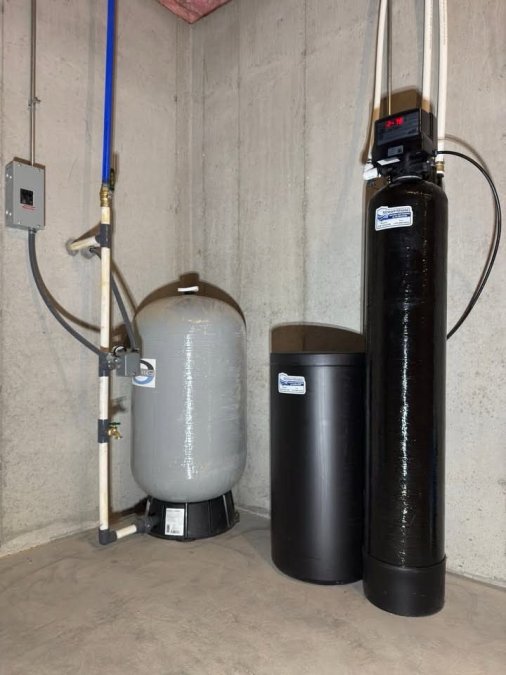
The problem shows up quickly. You'll notice white, chalky deposits on your faucets and showerheads. Your dishes come out spotty. Your skin feels dry after showering. Your water heater works harder and wears out faster. These aren't minor annoyances, they cost you money in repairs and replacements.
Hard water affects nearly every part of your home. Mineral deposits clog pipes. They reduce water pressure. They make soap and shampoo less effective. Your appliances struggle to heat water efficiently. Over time, this mineral buildup can shorten the lifespan of your dishwasher, washing machine, and water heater by years.
The good news is that soft water at home solves these problems. Once you remove those minerals, everything changes. Your skin feels softer. Your laundry comes out cleaner. Your appliances last longer. Your plumbing stays clear.
Test Your Water Hardness With a Hard Water Test Kit
Testing your water hardness is simple and essential. You need to know exactly what you're dealing with before choosing a solution. A hard water test kit gives you this information in minutes.
Most test kits use a color-matching system. You collect a water sample, add a reagent, and compare the color to a chart. The chart tells you your hardness level in parts per million (PPM) or grains per gallon (GPG). This number tells you whether you have mild, moderate, or severe hard water.
Here's how to use a basic test kit:
- Fill a clean container with tap water
- Add the test reagent drops according to kit instructions
- Swirl the container gently
- Compare the color to the provided scale
- Record your hardness number
Professional testing goes deeper. A certified lab can identify specific minerals in your water. They'll test for calcium, magnesium, iron, and other contaminants. This information helps you choose the right treatment system.
Water Treatment Systems offers free water analysis for homeowners. Our certified technicians test for hardness, iron, sulfur odors, and chlorine taste. We identify exactly what's in your water so we can recommend the right solution. This analysis takes the guesswork out of choosing a soft water at home system.
How a Water Softener Works to Remove Minerals
A water softener removes minerals through a process called ion exchange. This is how it works: hard water enters the system and passes through a tank filled with special resin beads. These beads are coated with sodium ions.
When hard water touches the resin, something happens. The calcium and magnesium ions in the water are attracted to the resin beads. They stick to the beads and replace the sodium ions. The sodium ions dissolve into the water instead. The result is soft water with much lower mineral content.
This process continues until the resin beads become saturated with calcium and magnesium. At that point, the softener enters regeneration mode. A salt solution (brine) flushes through the tank. This salt water strips the minerals off the resin beads and sends them down the drain. The resin beads are now recharged with sodium ions and ready to soften water again.
The cycle repeats automatically. Most systems regenerate every few days, depending on how hard your water is and how much you use. The system monitors water usage and mineral buildup. When it's time to regenerate, it happens overnight when water demand is low.
Salt-Based vs. Salt-Free Water Treatment Systems
Salt-based softeners use ion exchange. Salt-free systems use different technology. Understanding the difference helps you choose the right approach for soft water at home.
Salt-based softeners remove minerals completely. They exchange calcium and magnesium for sodium. Your water becomes genuinely soft. Soap lathers better. Mineral deposits stop forming. These systems are highly effective but require regular salt refills.
Salt-free systems use scale prevention technology. They don't remove minerals, they change how minerals behave. The minerals stay in the water but don't stick to surfaces. This prevents limescale buildup without adding sodium.
Here's what matters: salt-based systems deliver true softening. If you want soft water at home that feels soft on your skin and produces better lather, you need ion exchange.
The trade-off is maintenance. Salt-based systems need salt added every few weeks or months. Salt-free systems need filter cartridge replacements. Salt-based systems cost more upfront. Salt-free systems cost less but don't address the underlying hardness problem.
| Factor | Salt-Based | Salt-Free |
|---|---|---|
| Removes minerals | Yes | No |
| Prevents scale buildup | Yes | Yes |
| Adds sodium to water | Yes | No |
| Maintenance frequency | Monthly | Every 6-12 months |
| True softening feel | Yes | No |
| Upfront cost | Higher | Lower |
If your water is moderately hard and you want genuine softening benefits, ion exchange is the proven choice. If you're concerned about sodium or have a rental situation, salt-free prevention might work better.
DIY Solutions for Hard Water and Their Limitations
People often try simple fixes before investing in a real system. These DIY approaches have limits you should understand.
Vinegar soaks remove mineral deposits from faucets and showerheads. Soak the fixture in vinegar for a few hours. The acid dissolves the deposits. This works for visible scale but doesn't soften your water.
Pitcher filters reduce chlorine taste and some contaminants. They don't soften water. They filter a few gallons at a time. For a family, you'd need constant refilling. The cost per gallon adds up quickly.
Boiling water can reduce some hardness temporarily. Boiling causes some minerals to precipitate out. But this only works for temporary softening. You can't boil all the water your home uses.
Baking soda can neutralize some water issues but doesn't remove minerals. It's useful for specific problems like odor but doesn't address hardness.
Magnetic or electronic devices claim to soften water without salt. Most lack scientific evidence. They may prevent some scale but don't deliver true softening. They're often marketed aggressively but don't perform reliably.
Request My Free Water Analysis →
The reality: these solutions treat specific symptoms. They don't solve the underlying problem of hard water.
Soft Water for Shower and Bathing Benefits
Soft water transforms your shower experience. Hard water leaves a film on your skin. It makes your hair feel sticky. Soap doesn't rinse completely. Soft water at home solves all of this.
With soft water for shower use, soap and shampoo work better. You need less product to get clean. Your skin feels softer and smoother. Your hair becomes shinier. The shower feels luxurious instead of frustrating.
Hard water can irritate sensitive skin. It leaves minerals that trap bacteria. This can worsen eczema and other skin conditions. Soft water rinses completely, leaving your skin clean and healthy.
Your bathroom fixtures also benefit. Without mineral deposits, your shower stays cleaner. Mold and mildew don't build up as easily on clean surfaces. Your grout stays white. Your glass shower doors stay clear.
Many people notice skin improvements after installing a softener. Their skin feels less dry. Itching stops. Acne may improve. These changes happen because soft water at home allows your skin to truly get clean.
For hair, the difference is dramatic. Soft water makes hair easier to manage. It holds color better if you dye it. It feels healthier and looks shinier. Dandruff often improves.
Choosing Between Whole-House and Point-of-Use Systems
Whole-house systems treat all the water entering your home. Point-of-use systems treat water at one location. Each approach has advantages.
Whole-house systems soften every drop of water. Your shower, kitchen, laundry, and appliances all get soft water at home. These systems protect your entire plumbing system and all appliances. They're the most effective solution.
Point-of-use systems treat water at specific taps. A kitchen sink filter removes chlorine taste from drinking water. A shower filter reduces minerals for bathing. These systems are cheaper and don't require installation. But they don't protect your water heater or washing machine.
For most homes, a whole-house system makes sense. The protection to your appliances pays for itself in extended equipment life. Your entire family gets the benefits of soft water at home.
Point-of-use works best as a supplement. Use a whole-house softener for general softening. Add a drinking water filter if you want better-tasting water. Add a shower filter for extra bathing benefits.
Water Treatment Systems designs custom systems for your home. We assess your water hardness, your household size, and your specific concerns. Then we recommend the right combination of equipment.
Installation, Maintenance, and Getting Started
Installing a water softener requires professional expertise. The system connects to your main water line. It needs proper drainage. It must be sized correctly for your household.
Here's what happens during installation:
- The technician locates your main water line
- They install a bypass valve so you can shut off the softener if needed
- They connect the softener to your incoming water supply
- They set up the drain line for regeneration cycles
- They program the system for your water hardness level
- They test everything to confirm proper flow and pressure
Maintenance is straightforward. You add salt to the brine tank every few weeks. The amount depends on your water hardness and usage. The system tells you when salt is running low.
Most systems need minimal service. The resin lasts 10-15 years. You might replace a filter or two during that time. That's it.
Getting started with soft water at home means three steps:
- Test your water to know your hardness level
- Choose between salt-based and salt-free systems
- Have a professional install the right system for your home
Water Treatment Systems handles all three steps. We test your water for free. We explain your options. We install and support your system. Our certified technicians ensure everything works perfectly.
Hard water damages your home and drains your wallet. Soft water at home stops that damage immediately. Your appliances last longer. Your skin feels better. Your plumbing stays clear.
Water Treatment Systems specializes in custom water treatment for your specific needs. We conduct a free water analysis to identify exactly what's in your water.
Frequently Asked Questions
How can I tell if my home has hard water?
Common signs include white mineral deposits on faucets and showerheads, reduced soap lather in showers and baths, dry skin and dull hair, scale buildup on appliances, and staining on dishes and glassware. Well water often shows visible iron staining (reddish-brown marks) or sulfur odors. The only definitive way is to test your water hardness using a hard water test kit or professional water analysis, which measures mineral content in parts per million (ppm) or grains per gallon (gpg).
Is softened water safe to drink?
Yes, softened water is safe to drink for most households. Ion-exchange water softeners remove calcium and magnesium but do not remove harmful contaminants. However, some people prefer point-of-use drinking water filters for taste improvement or additional filtration. If you have sodium concerns due to health conditions, discuss softened water consumption with your healthcare provider, or consider salt-free treatment alternatives that don't add sodium to your water.
Can you soften hard water without a water softener?
DIY solutions like vinegar soaks, baking soda, and water pitcher filters can reduce mineral deposits on fixtures and improve taste temporarily, but they don't actually soften water throughout your home. They address symptoms, not the root cause. Only ion-exchange softeners and salt-free treatment systems genuinely soften water by removing dissolved minerals. For whole-home protection of appliances and plumbing, a proper water softening system is far more effective than DIY remedies.
Do water softeners remove iron and sulfur odors?
Standard salt-based ion-exchange water softeners remove dissolved iron but may not handle high iron levels or rotten egg sulfur odors effectively. Sulfur odor typically requires specialized filtration or oxidation treatment in addition to softening. Professional water analysis identifies which contaminants your water contains, allowing a custom system to be designed that addresses hard water, iron staining, and odor issues together for complete water quality improvement.