 how-to
Water Softener Maintenance Tips 2026
Table of Contents
- Why Water Softener Maintenance Matters
- Water Softener Maintenance Schedule: Weekly, Monthly, and Annual Tasks
- How to Clean a Water Softener Brine Tank
- Water Softener Salt Usage and Refilling
- Water Softener Troubleshooting: Common Problems and Solutions
- Testing Water Hardness and Resin Bed Maintenance
- When to Call a Professional vs. DIY Maintenance
- Frequently Asked Questions
Last Updated: October 7, 2026
Why Water Softener Maintenance Matters
Hard water damages your home silently. Mineral buildup clogs pipes, reduces appliance lifespan, and leaves scale on fixtures (Hardness of Water). Your water softener prevents this, but only if you maintain it properly.
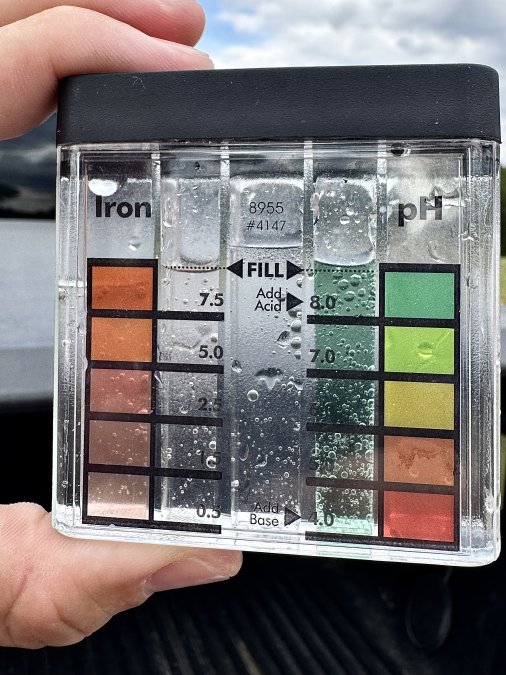
Most homeowners ignore their systems until something breaks. By then, the damage is done. Regular water softener maintenance keeps your equipment running efficiently and protects your plumbing investment.
Homes that follow a simple routine avoid costly repairs. Systems that go neglected can fail prematurely. The choice is yours.
This guide covers the essential water softener maintenance tasks you can handle yourself, when to call a professional, and how to spot problems before they become expensive.
Water Softener Maintenance Schedule: Weekly, Monthly, and Annual Tasks
A consistent maintenance schedule prevents most problems. Think of it like changing your car's oil, small regular actions beat emergency repairs.
Weekly Checks
Spend five minutes each week on these quick inspections.
Check the salt level in your brine tank. Open the lid and look inside. Salt should fill the tank to about three-quarters full. If it's low, add more. Most tanks need refilling every four to six weeks, depending on your water hardness and household size.
Listen for unusual sounds during the regeneration cycle. Your system should run quietly at night. Strange grinding or hissing noises mean something needs attention.
Look for water pooling around the base of the unit. Small leaks worsen quickly. Catch them early.
Monthly Inspections
Set a calendar reminder for the first of each month.
Check water pressure throughout your home. Turn on a faucet and note the flow. If pressure drops noticeably, your resin bed may need cleaning or your control valve could be failing.
Inspect the brine tank for salt bridges. These hard salt crusts form when salt settles and compacts. They prevent proper brine solution from forming, reducing your system's effectiveness. We'll cover how to break them up in the next section.
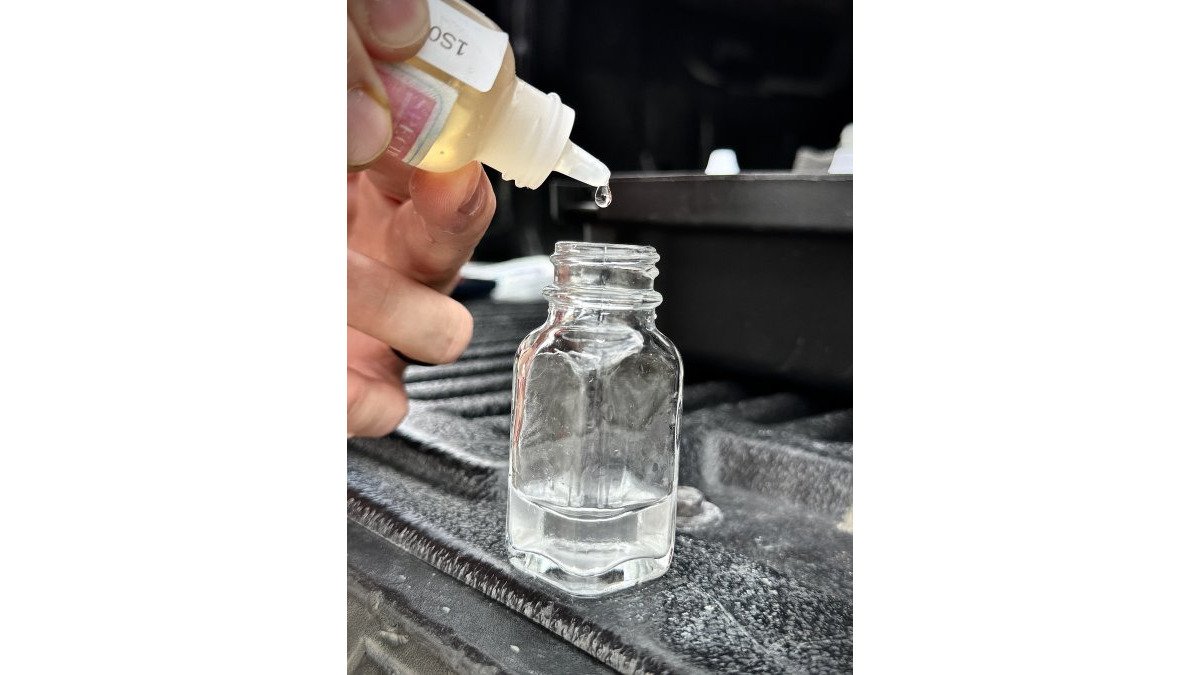
Test a water sample for hardness. Use hardness test strips from any hardware store. Your softened water should read zero or near-zero hardness. If it's still hard, regeneration isn't working properly.
Annual Professional Service
Once a year, have a certified technician inspect your entire system. They check the control valve, test the resin bed, measure water pressure, and verify regeneration cycles are working correctly.
Water Treatment Systems offers comprehensive annual inspections. Our certified technicians identify small problems before they become big ones.
How to Clean a Water Softener Brine Tank
Your brine tank accumulates sediment and salt residue over time. Cleaning it keeps your system efficient and prevents salt mushing, a sludgy buildup that clogs your system.
Identifying When Your Brine Tank Needs Cleaning
Most brine tanks need cleaning every one to three years. You'll know it's time when:
- Salt doesn't dissolve properly and forms a hard crust
- Your softened water feels hard despite normal salt levels
- The system regenerates but water quality doesn't improve
- You see sediment or sludge at the tank bottom
Step-by-Step Cleaning Process
Step 1: Turn off your water softener. Flip the bypass valve to stop water flow.
Step 2: Remove remaining salt. Scoop out salt pellets and place them in a bucket.
Step 3: Fill with water. Add clean water to the tank until it's half full.
Step 5: Drain completely. Use a pump or siphon to remove all water and debris.
Step 6: Rinse thoroughly. Add fresh water and drain again. Repeat until the water runs clear.
Step 7: Refill with salt. Add fresh salt pellets.
Step 8: Restore normal operation. Switch the bypass valve back to normal position.
Water Softener Salt Usage and Refilling
Salt is the lifeblood of your water softener. Understanding salt types and proper refilling prevents common problems.
Checking and Refilling Salt Levels
Check your salt level weekly. Open the brine tank lid and look inside. You should see salt filling the tank to about three-quarters capacity.
Add salt when the level drops below one-quarter full. Use the same type of salt your system originally came with. Don't mix salt types in the same tank.
Three common salt options exist:
- Evaporated salt: Highest purity, leaves minimal sediment, costs more
- Solar salt: Medium purity, moderate cost, works well for most systems
- Rock salt: Lowest cost, leaves more sediment, requires more frequent tank cleaning
For most homeowners, solar salt offers the best balance of cost and performance.
Identifying and Breaking Up Salt Bridges
A salt bridge is a hard crust that forms when salt compacts and moisture evaporates. The salt hardens into an arch, leaving empty space below. Your system can't access the salt below the bridge, so it can't make brine solution.
You'll know you have a salt bridge when your water feels hard despite adequate salt in the tank.
To break it up safely:
- Turn off your water softener
- Use a broom handle or PVC pipe to gently break the crust from above
- Work slowly, don't puncture the tank
- Remove broken salt pieces
- Refill with fresh salt
- Restart the system
Recognizing Salt Mushing
Salt mushing is worse than salt bridges. Instead of a hard crust, salt becomes a sludgy paste that clogs your system. This happens when:
- Your tank stays too wet
- Water quality is very poor
- Salt quality is low
- The tank isn't cleaned regularly
Signs of salt mushing include cloudy brine solution, slow regeneration, and water that still feels hard. The fix requires professional cleaning. Don't try to pump out mushy salt yourself, it can damage internal components.
Water Treatment Systems can assess whether your system has salt mushing and clean it properly.
Water Softener Troubleshooting: Common Problems and Solutions
Most problems have simple fixes. Start with these checks before calling a technician.
System Not Regenerating Properly
Your system should regenerate automatically, usually at night. If it's not:
Request My Free Water Analysis →
Check the control panel. Make sure the timer is set correctly and the system is in automatic mode, not manual or standby.
Verify power supply. Confirm the unit is plugged in and has power. Check for tripped circuit breakers.
Inspect the drain line. Walk the drain hose from your system to where it exits. Look for kinks, clogs, or disconnections. Clear any blockages.
Test water hardness. Use hardness test strips on your tap water. If it reads hard, regeneration isn't working.
If these steps don't fix it, the control valve may need replacement. This requires professional service.
Water Still Feels Hard or Tastes Salty
Hard water after softening means your system isn't removing minerals properly.
Check salt levels first. Low salt is the most common cause. Refill your brine tank.
Look for salt bridges. Break up any crust you find. This restores brine production.
Test your water hardness. Use test strips on both softened and unsoftened water. This tells you if the problem is your system or your water supply.
Verify regeneration timing. Your system should regenerate based on water usage, not just a fixed schedule. If it regenerates too infrequently, it can't keep up with your household's demand.
Salty-tasting water suggests the system is backwashing improperly or the control valve is leaking. This needs professional diagnosis.
Low Water Pressure or Flow Rate Issues
Reduced water pressure usually means your resin bed needs cleaning.
Check other faucets. Does low pressure happen throughout your home or just one location? If it's just one faucet, the problem is that faucet, not your softener.
Inspect the sediment filter. Many systems have a pre-filter that catches sediment before it reaches the resin bed. A clogged filter reduces flow.
Look for kinked hoses. Walk the water lines from your softener. Straighten any bends.
Verify bypass valve position. Make sure the bypass valve is fully in the normal position, not partially engaged.
If pressure is still low, your resin bed likely needs professional cleaning. Sediment buildup restricts water flow through the resin.
Testing Water Hardness and Resin Bed Maintenance
The resin bed is your system's engine. It removes minerals from your water. Keeping it clean keeps your system working.
How to Test Water Hardness Levels
Test your water regularly, at least monthly. This tells you if your system is working and helps you adjust salt usage.
Use hardness test strips:
- Fill a clean glass with tap water from your softened water line
- Dip the test strip into the water for three seconds
- Remove and wait 60 seconds
- Compare the color to the chart on the bottle
The result shows hardness in parts per million (ppm) or grains per gallon (gpg). Softened water should read zero to 25 ppm. Anything higher means your system isn't removing minerals effectively.
Test both your softened water and your incoming hard water. This comparison shows how much your system is improving your water.
Professional testing: Water Treatment Systems offers free water analysis. We test for hardness, iron, sulfur, chlorine, and other contaminants. This comprehensive assessment shows exactly what your water contains and whether your system is handling it properly.
Cleaning and Maintaining Your Resin Bed
Your resin bed exchanges calcium and magnesium ions for sodium. Over time, sediment and iron buildup reduce its effectiveness.
Most systems regenerate automatically, which refreshes the resin. But annual professional cleaning removes sediment the regeneration cycle can't reach.
Signs your resin bed needs cleaning:
- Water hardness increases despite adequate salt
- System regenerates but water quality doesn't improve
- Flow rate drops noticeably
- Softened water has a reddish or brown tint
Professional resin bed cleaning involves backwashing with special cleaners. Don't attempt this yourself, improper technique can damage the resin permanently.
Water Treatment Systems includes resin bed inspection and cleaning in our annual maintenance service.
When to Call a Professional vs. DIY Maintenance
You can handle salt refilling, brine tank inspection, and basic troubleshooting. Some tasks require a professional.
Do it yourself:
- Refill salt weekly or monthly
- Break up salt bridges gently
- Test water hardness monthly
- Check water pressure and listen for unusual sounds
- Inspect for leaks around the base
- Clear kinked hoses
Call a professional for:
- Annual system inspection and testing
- Resin bed cleaning
- Control valve replacement or repair
- Sediment filter replacement (if you're uncomfortable)
- Salt mushing removal
- Low water pressure that persists after your checks
- System not regenerating despite troubleshooting
Water Treatment Systems offers emergency support when problems arise. Our certified technicians handle complex repairs quickly and correctly.
Regular water softener maintenance keeps your system running efficiently and protects your home's plumbing and appliances from mineral damage. Most tasks take just minutes per week. When something needs professional attention, don't delay, early intervention prevents costly failures. Water Treatment Systems is here to help with free water analysis, annual inspections, and emergency repairs. Request your free water analysis today to learn exactly what your water contains and how we can improve it.
Frequently Asked Questions
How often should I check the salt level in my water softener?
Check salt levels weekly or every 2-3 weeks depending on your water softener usage and household size. Most systems use between 15-40 pounds of salt per month. Regular checks prevent salt bridges and mushing, which interrupt the regeneration cycle. If you notice the salt level dropping faster than expected, it may indicate a system malfunction that requires professional attention.
How often should a water softener brine tank be cleaned?
Clean your brine tank annually as part of preventative maintenance, or immediately if you notice salt mushing, sediment buildup, or a foul odor. A well-maintained brine tank ensures proper water quality and extends your system's lifespan. If you have iron buildup or use well water with high sediment, more frequent cleaning may be necessary.
How can I tell if my water softener is not working properly?
Signs of system malfunction include hard water that hasn't been softened (calcium and magnesium minerals remain), salty-tasting water, low water pressure, or the system not regenerating on schedule. Test water hardness using hardness test strips to confirm softening capacity is reduced. If softened water quality declines despite adequate salt levels and recent regeneration cycles, the resin bed may need cleaning or replacement. Contact a professional if troubleshooting doesn't resolve the issue.
Can I clean a water softener brine tank myself?
Yes, basic brine tank cleaning is a DIY task for most homeowners. Drain the tank, remove accumulated sludge and salt residue with a mild detergent and soft brush, then rinse thoroughly before refilling with fresh salt. However, if you discover iron buildup, severe scale deposits, or damage to internal components like the float valve or drain line, call a professional.