 ultimate-guide
Is Well Water Safe to Drink: A Complete 2026 Guide
Table of Contents
- Is Well Water Safe to Drink?
- Private Wells vs. Public Water Systems
- Common Well Water Contaminants
- How to Test Well Water
- Well Water Testing Frequency and Schedule
- Well Water Treatment Systems and Solutions
- What to Do After a Positive Test Result
- Protecting Your Well and Water Quality Long-Term
- Frequently Asked Questions
Last Updated: October 17, 2026
Is Well Water Safe to Drink?
Whether well water is safe to drink depends on the specific water quality at your property. Private wells are not federally regulated like public water systems, which means you bear responsibility for testing and maintaining your water quality (the EPA). Many homeowners assume their well water is safe simply because it comes from the ground, but contamination can occur from various sources, nearby septic systems, agricultural runoff, industrial activity, or natural mineral deposits. The answer to "is well water safe to drink" requires regular testing and proactive management.
At Water Treatment Systems, we consistently find that well water safety isn't a yes-or-no question, it's an ongoing process. Some wells produce perfectly clean water year after year. Others develop problems seasonally or after heavy rainfall. The only way to know your specific situation is through proper testing and monitoring.
The key distinction is this: your well water may be safe today, but that doesn't guarantee it will be safe tomorrow. Groundwater conditions change. Contamination sources shift. This is why testing isn't a one-time event, it's part of responsible well ownership.
Private Wells vs. Public Water Systems
Public water systems operate under strict federal regulations established by the Safe Drinking Water Act (the EPA). These systems test water regularly, maintain detailed records, and report results to state health departments. Your municipality handles all testing, treatment, and compliance.
Private wells operate under a completely different framework. Federal regulations do not mandate testing for private well owners. Your state health department may have guidelines, but enforcement is typically limited. This means the responsibility for water quality falls entirely on you.
This distinction matters because it changes your relationship with water safety. With a public system, you receive annual water quality reports. With a private well, you must request testing yourself and pay for laboratory analysis. Public systems employ certified operators. Private well owners must either hire professionals or conduct maintenance independently.
The practical implication: private well owners must be proactive. You cannot assume your water is safe based on how it looks, tastes, or smells. Dangerous contaminants like coliform bacteria, nitrates, and arsenic are often invisible and odorless. This is why testing is not optional, it's essential.
Common Well Water Contaminants
Well water can contain numerous contaminants, each requiring different treatment approaches. Understanding what might be in your water helps you determine which tests matter most for your location.
Bacterial contamination represents one of the most common concerns. Coliform bacteria and E. coli indicate fecal contamination from septic systems, livestock, or wildlife.
Chemical contaminants include naturally occurring substances and human-introduced pollutants. Nitrates leach into groundwater from agricultural fertilizers, septic systems, and animal waste.
Mineral content affects water quality differently. Hard water minerals like calcium and magnesium don't pose health risks but create scale buildup on fixtures and appliances, reduce soap effectiveness, and cause staining.
Naturally occurring substances vary by geography. Fluoride occurs naturally in some wells at levels exceeding recommended limits. Chloride and sodium increase in groundwater near coastal areas or where road salt is used.
The contamination source matters because it determines treatment strategy. Bacterial issues require disinfection. Chemical contamination may need activated carbon filtration, ion exchange, or reverse osmosis. Mineral content responds to water softening systems.
How to Test Well Water
Testing your well water begins with deciding which contaminants matter most for your location. You cannot test for everything, laboratory costs would be prohibitive. Instead, focus on contaminants common to your region and your specific risk factors.
Start by contacting your state health department or local extension office. They maintain records of common contaminants in your area and can recommend which tests are most important. Your county may also offer testing guidance based on local geology and land use patterns.
The basic testing process involves these steps:
-
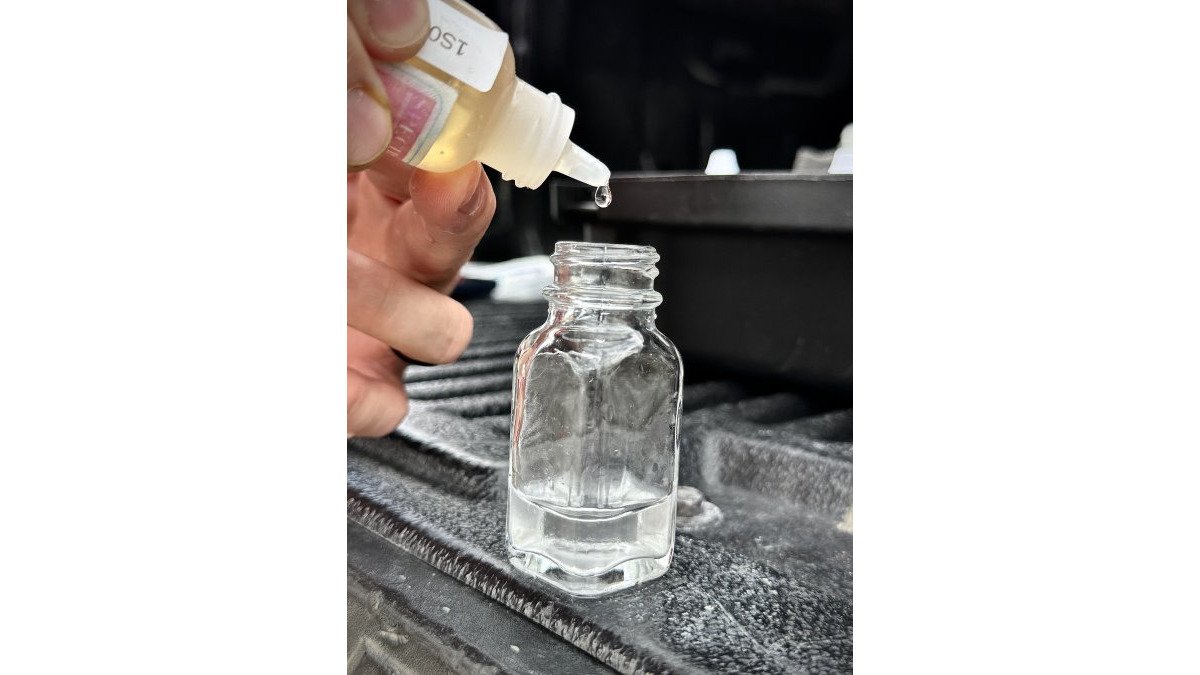
Collect a proper water sample, Use a sterile bottle provided by the laboratory. Do not use bottles from home or previously used containers. Collect the sample from a cold-water tap after letting water run for 2-3 minutes to clear the line. Some tests require specific collection procedures, so follow the laboratory's instructions exactly.
-
Choose an accredited laboratory, Your state health department can provide a list of certified laboratories. Accreditation matters because it ensures proper testing procedures and accurate results. Do not use mail-in test kits from hardware stores as your primary testing method, they lack the accuracy and reliability of professional laboratory analysis.
-
Submit the sample promptly, Most tests require samples to reach the laboratory within 24-48 hours. Delays affect bacterial counts and some chemical results. Ask the laboratory about timing when you collect your sample.
-
Review the results carefully, Laboratory reports include specific measurements and comparison to EPA standards. If results exceed safe levels, the report usually indicates this. Do not assume a result is safe just because it's a low number, compare it to the Maximum Contaminant Level (MCL) or recommended standard for that substance.
Well Water Testing Frequency and Schedule
How often you test depends on your water history, local conditions, and any problems you've noticed. There is no one-size-fits-all schedule, but general guidance provides a framework.
Annual testing is the minimum recommendation for most private wells. This baseline includes coliform bacteria, nitrates, pH, and hardness. Annual testing catches seasonal changes and emerging problems before they become serious.
More frequent testing becomes necessary if you've had positive results in the past. If your well showed coliform bacteria previously, test quarterly until you've had two consecutive negative results.
After flooding or heavy rainfall, test your well even if it's not your scheduled time. Floodwaters can introduce contamination through cracks in the well cap or damaged casing.
When you move to a new property, test immediately. You have no history of that well's water quality. Testing establishes a baseline and identifies any existing problems.
Additional testing triggers include new symptoms (rotten-egg odor, staining, cloudiness), changes in nearby land use (new agricultural activity, construction, septic system installation), or if someone in your household develops waterborne illness.
Request My Free Water Analysis →
Well Water Treatment Systems and Solutions
Treatment approach depends entirely on what testing reveals. Installing treatment before knowing your water quality wastes money and may address problems that don't exist while missing actual issues.
For bacterial contamination, disinfection is necessary. Chlorination kills most bacteria but doesn't remove particles. UV treatment kills microorganisms without chemicals but doesn't provide residual protection in pipes. Many homeowners use combination approaches.
For chemical contaminants, options vary by substance. Activated carbon removes chlorine taste, odor, and some organic compounds but not nitrates or arsenic.
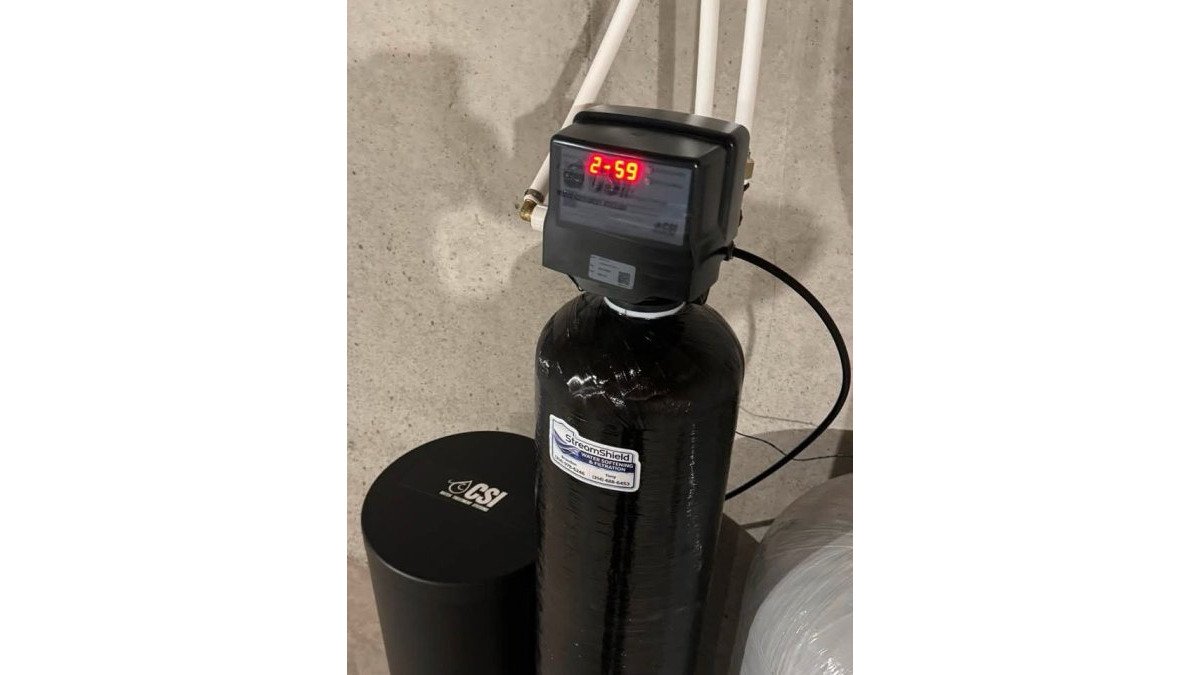
For mineral content and hardness, water softening systems use ion exchange to replace calcium and magnesium with sodium. This eliminates scale buildup, improves soap effectiveness, and reduces staining.
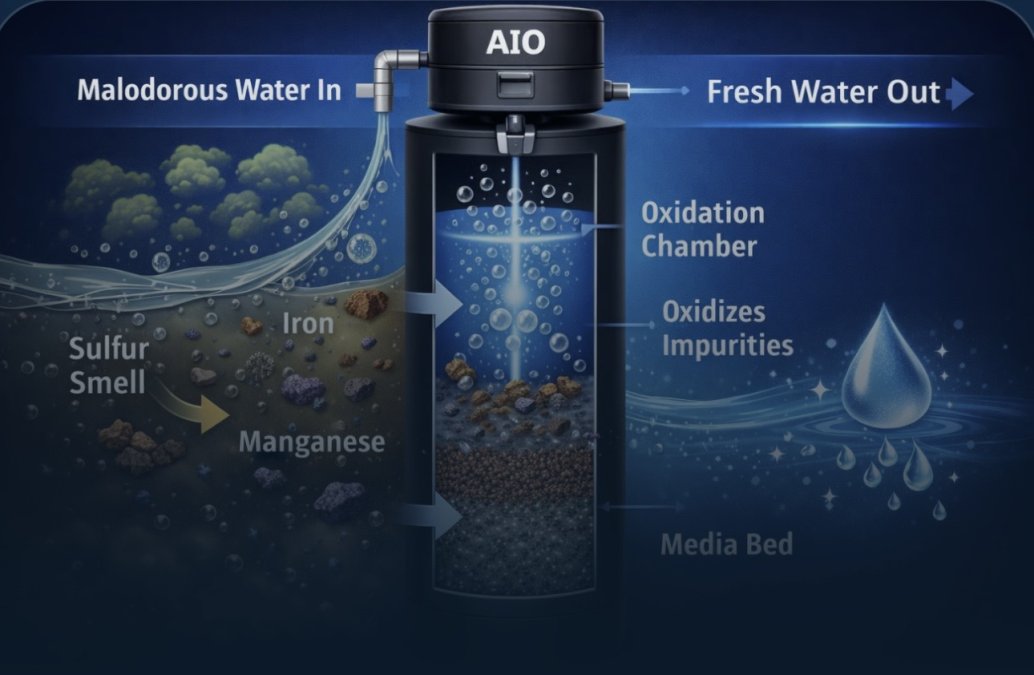
For sulfur odor and iron staining, specialized treatment removes these compounds. Iron filters oxidize dissolved iron into solid particles that are then removed. Manganese greensand performs similar functions for manganese.
The most effective approach often combines multiple treatment methods. A system addressing only one problem while ignoring others leaves you with partial solutions. Professional water analysis identifies all issues so treatment can be comprehensive.
What to Do After a Positive Test Result
Finding contamination in your well water creates urgency, but panic is not productive. Your response depends on what contamination was found and how severe it is.
For bacterial contamination, stop using the water for drinking and cooking immediately. Boil water for at least one minute before use, or use bottled water. Contact your state health department to report the contamination. They often provide guidance specific to your situation.
For chemical contamination, the response depends on the substance and concentration. Elevated nitrates do not require immediate action but do require treatment installation. Arsenic above the MCL requires treatment before the water is safe for drinking.
For mineral content and hardness, positive results are not emergencies but indicate treatment would improve water quality. Scale buildup on fixtures, staining on laundry, and reduced appliance efficiency are common complaints. A water softening system eliminates these problems and protects your plumbing investment.
Document everything, keep test results, treatment records, and any communication with health departments. This documentation protects your property value if you sell and provides a record for future reference.
Protecting Your Well and Water Quality Long-Term
Well maintenance prevents many contamination problems before they start. Your well's physical structure, location, and maintenance directly affect water safety.
Well construction and location matter tremendously. Wells should be located at least 50 feet from septic systems, livestock areas, and chemical storage.
Septic system maintenance protects groundwater quality. A failing septic system leaches bacteria and nitrates directly into groundwater (the CDC).
Land use awareness helps you anticipate potential contamination. Know what's happening on neighboring properties. Agricultural operations, industrial activity, and new construction can introduce contaminants.
Document your well's history, depth, construction date, materials used, previous testing results, and any problems encountered. This record helps identify trends and guides future decisions.
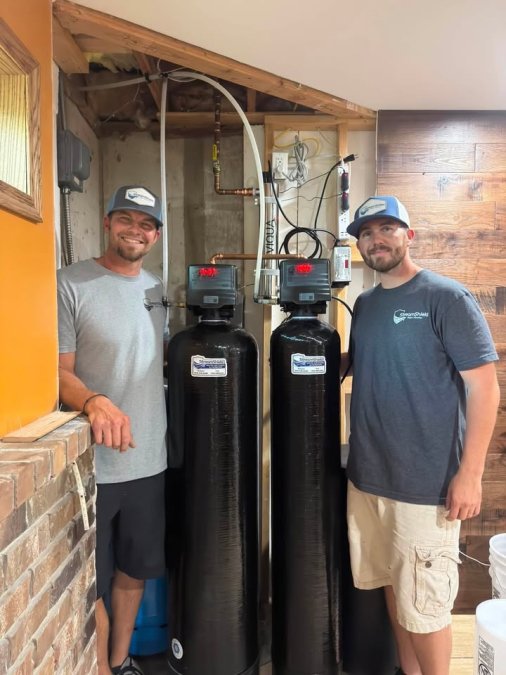
Water Treatment Systems helps Missouri homeowners protect their wells through professional water analysis and customized treatment solutions. Our certified technicians design systems that address your specific water quality challenges.
Well water safety requires active management, not passive assumption. Regular testing reveals what's actually in your water. Professional treatment eliminates problems identified through testing. Long-term maintenance prevents new contamination.
Contact Water Treatment Systems for a free water analysis.
Frequently Asked Questions
How do I know if my well water is safe to drink?
The only reliable way to know if well water is safe to drink is through laboratory testing. Visual inspection is not enough, contaminated water can look, taste, and smell normal while still containing harmful bacteria, chemicals, or minerals. Have your water tested by a certified laboratory for bacteria, nitrates, arsenic, and other contaminants based on your region and well characteristics. If testing reveals contamination, use bottled water for drinking and cooking until treatment is installed.
What contaminants should you test for in well water?
Priority contaminants include coliform bacteria and E. coli, which indicate fecal contamination; nitrates from fertilizers or septic systems; arsenic, a naturally occurring carcinogen; lead from pipes or well materials; and radon, a radioactive gas. Additionally, test for hardness minerals like calcium and magnesium, sulfur compounds causing rotten-egg odors, and iron causing staining. Your health department can recommend specific tests based on your well's location, depth, and surrounding land use.
How often should you test well water?
Test well water at least once per year, typically in spring after winter when contamination risk is highest. Test more frequently if you have a shallow well, live near agricultural or industrial areas, experience flooding, notice changes in water appearance or odor, or have recent construction nearby. After any positive result, follow up testing on the schedule your health department recommends, usually every 30 days until two consecutive tests are negative.
Can well water look and taste normal but still be unsafe?
Yes. Dangerous contaminants like bacteria, nitrates, arsenic, and radon are invisible, odorless, and tasteless. You cannot rely on your senses to determine safety. Well water that appears crystal clear and tastes fine may contain harmful microorganisms or chemicals at unsafe levels. This is why annual laboratory testing is essential, it detects threats your eyes, nose, and taste buds cannot.
What should you do if your well water test shows contamination?
Stop using tap water for drinking and cooking immediately; switch to bottled water. Contact your local health department for guidance on the specific contaminant and recommended treatment. For bacterial contamination, boiling water may provide temporary relief, but professional disinfection is required. For chemical contaminants like arsenic or nitrates, install appropriate treatment systems, filtration, ion exchange, or reverse osmosis depending on the contaminant. Retest after treatment to confirm effectiveness.
Why is private well water not federally regulated like public water?
The Safe Drinking Water Act regulates public water systems but exempts private wells serving fewer than 25 people. This means well owners are responsible for testing, maintenance, and treatment, not a government agency. Public water systems must meet strict EPA standards and report results; private well owners must arrange their own testing through certified laboratories or health departments. This places the burden of safety entirely on the homeowner.
What are the health risks from contaminated well water?
Bacterial contamination causes waterborne illnesses including diarrhea, nausea, and vomiting; vulnerable populations like young children, elderly adults, and immunocompromised individuals face severe outcomes. Nitrate exposure reduces oxygen in blood, especially dangerous for infants. Arsenic accumulates in the body and increases cancer risk with long-term exposure. Lead damages brain development in children and raises blood pressure in adults. Radon exposure increases lung cancer risk. Chemical contaminants and excess minerals can cause chronic health effects or damage appliances and plumbing over time.