 ultimate-guide
Average Cost of Home Water Systems: 2026 Price Guide
Table of Contents
- What the Average Cost of Home Water Systems Actually Includes
- Whole-House Water Filter Cost by System Type
- Home Water Filtration System Installation Cost
- Water Filtration System Maintenance Cost and Long-Term Ownership
- Why Water Testing for Home Water Systems Comes First
- How Home Size, Water Source, and Demand Affect Price
- How to Evaluate Quotes and Avoid Upselling
- Frequently Asked Questions
Last Updated: October 12, 2026
What the Average Cost of Home Water Systems Actually Includes
The average cost of home water systems depends on far more than the box you mount on the wall. Most homeowners shop by sticker price and get blindsided by the installation quote, the first filter replacement, and the annual service visit. The pattern is consistent: the equipment is rarely the biggest line item.
Home water systems pricing breaks into three buckets, and any honest quote separates them.
Equipment, Installation, and Ongoing Costs
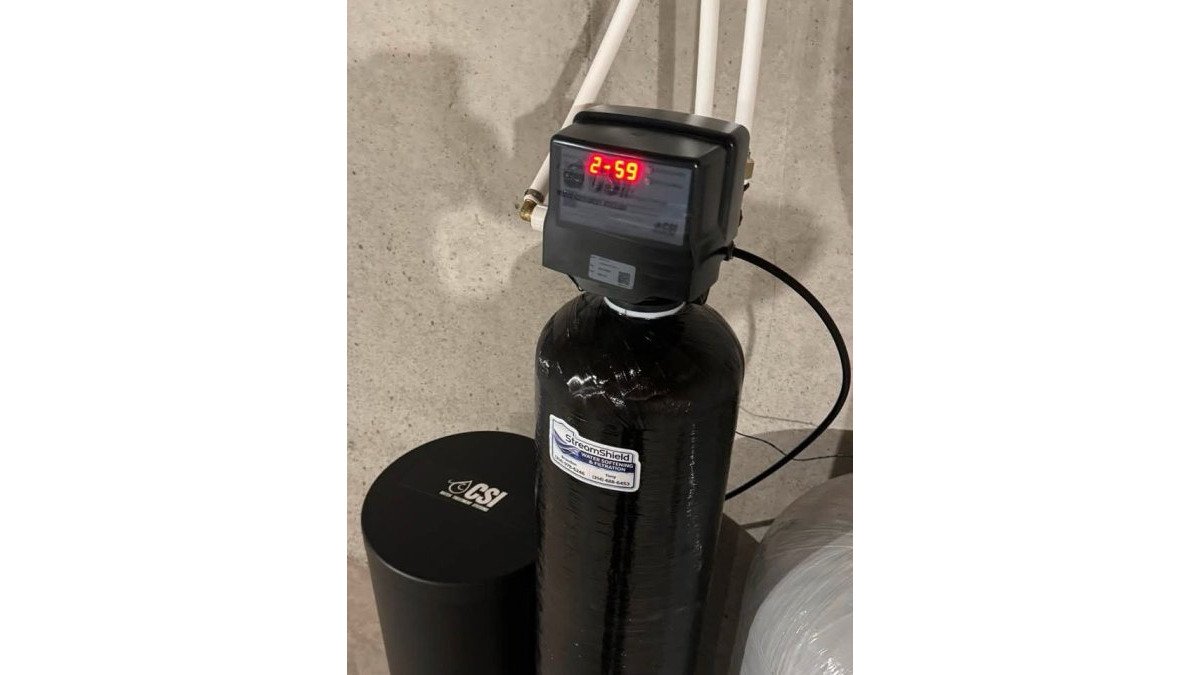
Equipment covers the treatment unit itself: the tank, the control valve, the filter housing, and the media inside it. Installation covers labor, plumbing modifications, permits where required, and disposal of old equipment. Ongoing costs cover replacement filters, media recharge, salt for softeners, and occasional service calls.
A common mistake is comparing equipment-only prices between quotes. One contractor quotes a bare unit; another quotes a fully installed system with a bypass valve and drain line. Those numbers are not comparable, and treating them as such is how homeowners end up frustrated.
Point-of-Entry vs. Point-of-Use Systems
Point-of-entry systems treat all water entering the home, covering every faucet, shower, and appliance. Point-of-use systems treat water at a single location, typically the kitchen sink.
The distinction drives cost more than any other factor. A point-of-entry system requires larger capacity, more media, and more complex plumbing work. A point-of-use unit is smaller, simpler, and cheaper to install, but it leaves your showers, laundry, and water heater exposed to the same water you're trying to fix.
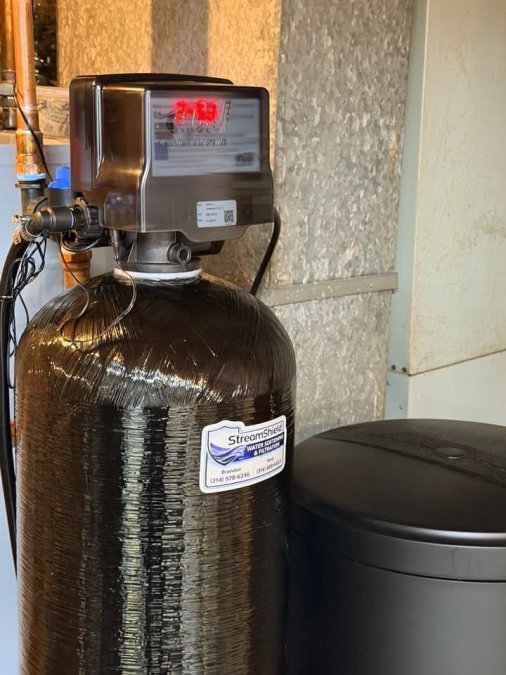
Whole-House Water Filter Cost by System Type
Whole-house water filter cost varies widely because "whole-house filter" describes several different technologies. Sediment and carbon filters, water softeners, and reverse osmosis systems each carry different equipment and installation profiles. The table below gives typical installed ranges for a mid-size home on municipal water, then breaks out what drives each number.
| System Type | What It Treats | Where It Installs | Typical Installed Cost | Ongoing Cost Driver |
|---|---|---|---|---|
| Sediment filter | Dirt, rust, particulate | Point-of-entry | $300-$900 | Filter cartridge replacement |
| Carbon filter (whole-house) | Chlorine, taste, odor | Point-of-entry | $800-$2,500 | Carbon media replacement |
| Water softener | Hard water minerals | Point-of-entry | $1,500-$4,000 | Salt or media recharge |
| Reverse osmosis | Dissolved contaminants | Point-of-use (usually) | $300-$1,200 | Membrane and pre-filter replacement |
| Iron/sulfur system | Iron staining, sulfur odor | Point-of-entry | $1,500-$5,000+ | Media and oxidizer replenishment |
| Multi-stage whole-house combo | Sediment + carbon + softening | Point-of-entry | $3,000-$8,000+ | Multiple consumable streams |
These ranges assume a straightforward install with an existing loop, a nearby drain, and standard plumbing. Add 20-40% for well systems, long pipe runs, or utility rooms that need new electrical work. Always ask a provider to quote equipment, installation, and first-year consumables as separate line items so you can compare quotes on the same basis.
Water Softeners
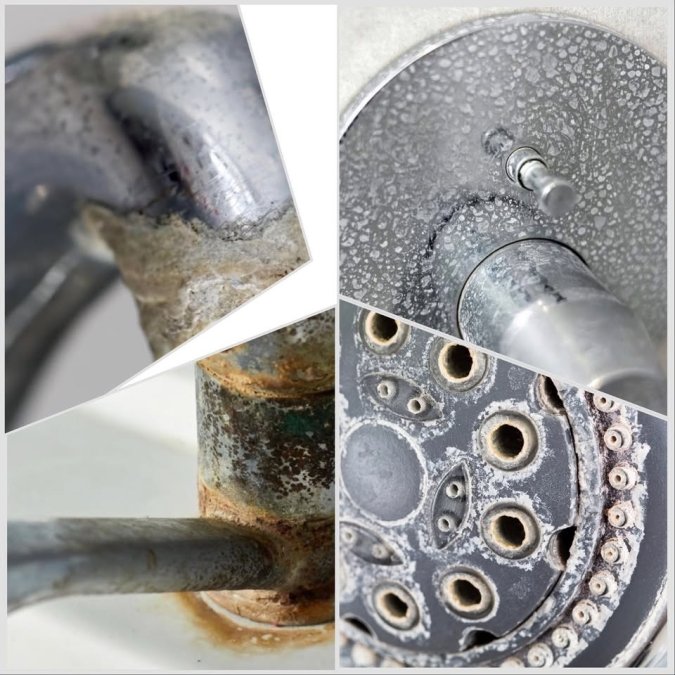
Water softeners address hard water by removing the calcium and magnesium that cause scale. For homeowners on well water or hard municipal supplies, this is often the single most impactful system, because scale damages water heaters, dishwashers, and fixtures over time.
Softener cost depends on capacity, which depends on household size and water hardness. A larger family with very hard water needs a bigger unit and more salt. Systems that also remove iron require additional treatment stages, which adds complexity and cost. Salt consumption is the ongoing cost most homeowners underestimate.
Reverse Osmosis Systems
Reverse osmosis systems push water through a membrane that captures dissolved contaminants. Most residential units are point-of-use, installed under the kitchen sink with a dedicated faucet and a small storage tank.
These systems cost less upfront than a whole-house installation, but they only treat drinking water. If your goal is protecting appliances and plumbing throughout the house, reverse osmosis alone won't get you there.
Home Water Filtration System Installation Cost
Home water filtration system installation cost is where quotes diverge most, and where homeowners have the least visibility. Labor, plumbing complexity, and site conditions drive the number far more than the equipment does.
Factors that raise installation cost include:
- No existing loop or bypass valve, requiring new plumbing
- Long runs between the entry point and the installation location
- Tight utility rooms with limited working space
- Electrical work for systems that need a powered control head
- Well systems requiring pressure tank or pump adjustments
DIY vs. Professional Installation
Some homeowners consider installing a point-of-use filter themselves. That's realistic for a simple under-sink carbon unit. It is not realistic for a whole-house system that ties into your main water line.
A whole-house installation involves cutting into the main supply, adding a bypass, routing a drain line, and setting up the control valve correctly. Mistakes here mean leaks, pressure loss, or a system that runs but doesn't treat properly. Professional installation also typically comes with a workmanship guarantee, which matters when something fails two years down the road.
Water Filtration System Maintenance Cost and Long-Term Ownership
Water filtration system maintenance cost is the number most homeowners forget to budget for, and it's the one that determines whether a system is genuinely affordable over ten years. Here's the ownership math that is often skipped.
Replacement Filters and Cartridges
Every treatment system consumes something. Sediment cartridges clog and get replaced. Carbon media exhausts and gets swapped. Softener resin eventually needs service. RO membranes degrade and need replacement every few years.
Typical annual consumable costs for a mid-size home:
Request My Free Water Analysis →
| System | Annual Consumables | Replacement Interval |
|---|---|---|
| Sediment pre-filter | $50-$150 | Every 3-6 months |
| Whole-house carbon | $100-$300 | Media every 1-3 years |
| Water softener | $100-$300 (salt) | Resin every 8-15 years |
| Reverse osmosis | $100-$250 | Pre-filters yearly, membrane every 2-4 years |
| Iron/sulfur system | $150-$400 | Media every 3-7 years |
Replacement frequency depends on water quality and household demand. A family of six on well water with heavy sediment will replace filters far more often than a couple on clean municipal water. This is why testing first matters: it tells you what you're actually filtering out, and how fast your media will load up.
Service Calls and Repairs
Beyond consumables, budget for occasional service. Control valves need adjustment, drain lines can clog, and pumps or pressure switches on well systems can fail. Budget for occasional service.
Five- and Ten-Year Total Cost of Ownership
Add it up and the picture changes. The cheaper system can cost more over its lifetime.
Use this framework when you evaluate any quote:
- Installed price (equipment + labor + plumbing modifications)
- First-year consumables
- Estimated annual consumables for years 2-10
- A service reserve of $100-$250 per year
- Any expected mid-life component replacement (valve, membrane, resin)
The honest framing: a cheap system with frequent, expensive filter replacements can cost more over its life than a well-sized system with cheaper consumables. Compare total ownership, not purchase price.
Why Water Testing for Home Water Systems Comes First
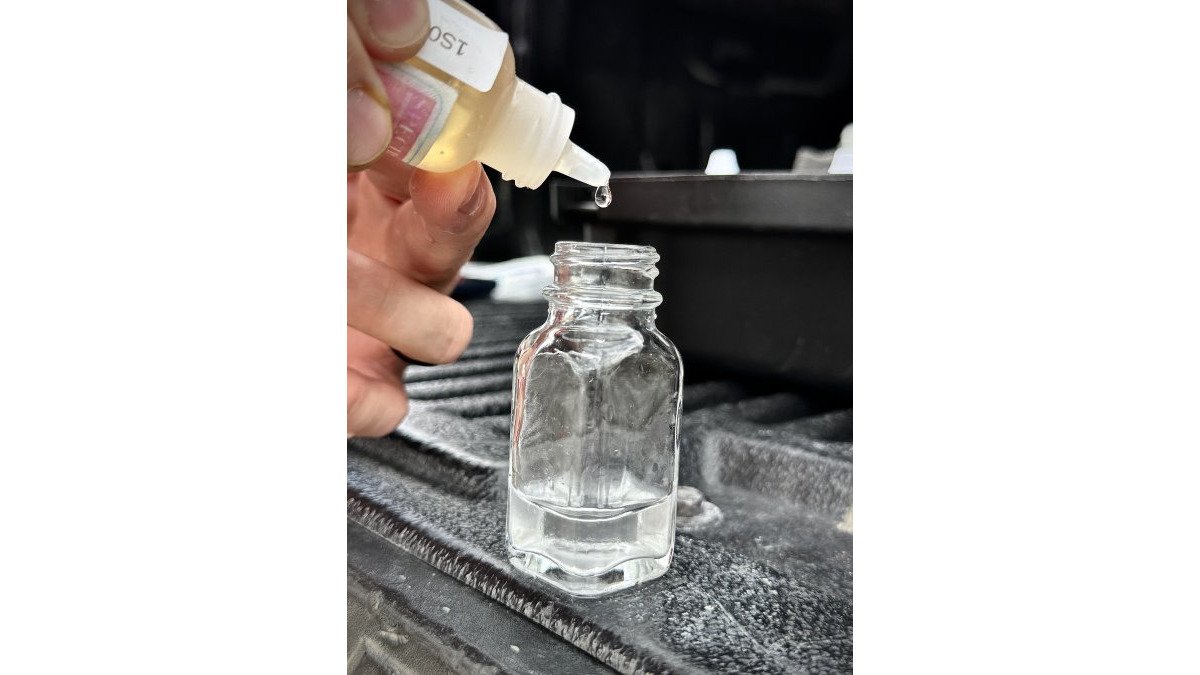
Water testing for home water systems should happen before you choose equipment, not after. Testing tells you which contaminants are actually present, and that determines which system you need.
Water quality varies enormously by source. Municipal water is treated and disinfected but may carry chlorine taste and odor. Well water is untreated and can carry hardness, iron, manganese, sulfur, sediment, and other issues specific to the local geology.
Without a test, you're guessing. A homeowner who buys a softener for what turns out to be an iron problem will be disappointed: the softener may handle some hardness but won't resolve staining. A homeowner who buys a basic carbon filter for sulfur odor will find it doesn't touch the smell.
How Home Size, Water Source, and Demand Affect Price
Home size and household demand determine the capacity your system needs, and capacity is a direct cost driver.
A larger home with more bathrooms, more appliances, and more occupants uses more water per day. That requires a system sized to handle the peak flow rate, so showers and laundry don't starve the rest of the house. Undersized systems either can't keep up or wear out faster from constant cycling.
Water source matters just as much. Well water often needs more treatment stages than municipal water: sediment removal ahead of the main treatment, plus iron and sulfur handling if those are present. Municipal water typically needs less pretreatment but may need carbon for chlorine.
| Household Factor | Effect on System Cost |
|---|---|
| More occupants | Larger capacity, higher equipment cost |
| More bathrooms | Higher flow rate requirement |
| Well water source | Additional pretreatment stages |
| High hardness or iron | Larger or multi-stage system |
| Higher daily demand | Larger media tanks and valves |
How to Evaluate Quotes and Avoid Upselling
Comparing quotes fairly requires matching scope, not just price. Ask each provider to itemize equipment, labor, and consumables separately, and to state the expected replacement interval for every filter or media.
Red flags in a quote:
- Equipment-only pricing with installation "to be determined"
- No mention of bypass valves or drain line routing
- No stated filter replacement schedule or cost
- Pressure to decide on the spot
- No water test results backing the recommended system
A legitimate quote reflects your actual test results and household demand. If a provider recommends the same system to everyone, that's a signal they're selling equipment rather than solving a water problem.
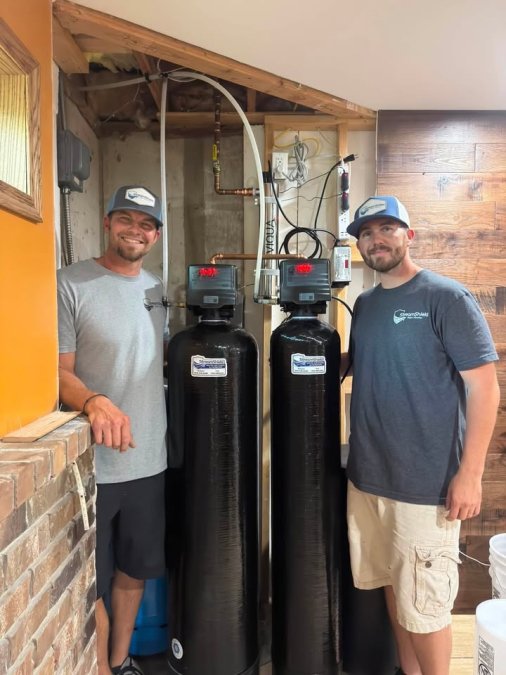
Choosing the right home water systems comes down to matching treatment to your actual water, not to a generic package. At Water Treatment Systems, we start with a free water analysis, then design a custom system around your results, your home size, and your water source. Our certified technicians handle professional installation, and our satisfaction guarantee means the system has to actually work for your household. Request your free water analysis and get a straight answer on what your home needs.
Frequently Asked Questions
What factors affect the cost of a home water system?
The main cost drivers are system type (softener, whole-house filter, or reverse osmosis), water quality issues that need treatment, home size and plumbing layout, and whether you choose professional or DIY installation. Water source matters too: well water often needs more treatment stages than municipal water. Getting a water test first tells you exactly which contaminants to target, so you only pay for the filtration you actually need.
Is it worth getting a water filtration system for your home?
For many homeowners, yes. A whole-house system can protect appliances like water heaters and dishwashers from mineral damage, reduce chlorine taste and odor, and improve water quality for laundry and skin. If you are dealing with hard water scale, iron staining, or sulfur odors, treatment addresses the root cause rather than masking symptoms. The value depends on your water test results and how much those issues affect your daily life.
How much does a water softener cost to install?
Installation cost varies based on your plumbing setup, whether you need electrical or drain modifications, and local labor rates. Softeners require a drain line and often a nearby outlet, which can add to the job. Getting multiple quotes helps you compare labor and equipment separately. A free water analysis can confirm whether a softener is the right solution before you commit to installation.
How much does it cost to install a home water filtration system?
Installation pricing depends on system type, home layout, and whether modifications like new piping or a dedicated faucet are needed. Point-of-use systems under a sink usually cost less to install than whole-house units that tie into your main water line. Labor rates also vary by region and contractor. Request itemized quotes that separate equipment from labor so you can compare fairly.