 ultimate-guide
Benefits of Whole House Water Filtration: A 2026 Guide
Table of Contents
- What Whole House Water Filtration Systems Do
- What Does a Whole House Water Filter Remove
- Key Benefits of Installing a Whole House Water Filtration System
- Whole House Water Filter Pros and Cons
- Whole House Water Filter Maintenance and Upkeep
- Whole House Water Filtration System Cost Considerations
- Municipal Water Versus Well Water: Different Contaminants, Same Solution
- How to Choose the Right System for Your Home
- Frequently Asked Questions
Last Updated: October 20, 2026
What Whole House Water Filtration Systems Do
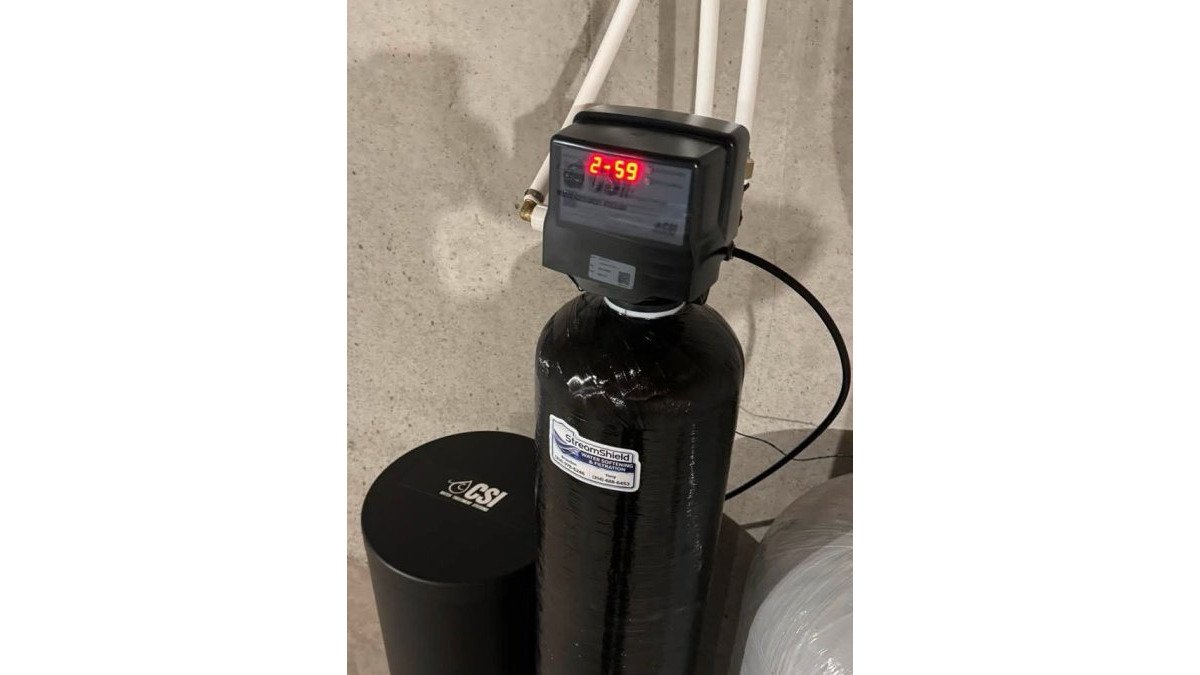
A whole house water filtration system is a point-of-entry treatment solution that filters water as it enters your home's main water line, before it reaches any faucet, shower, or appliance.
These systems work by forcing incoming water through one or more filtration stages, typically sediment filters, activated carbon, and sometimes additional media depending on your specific water quality issues.
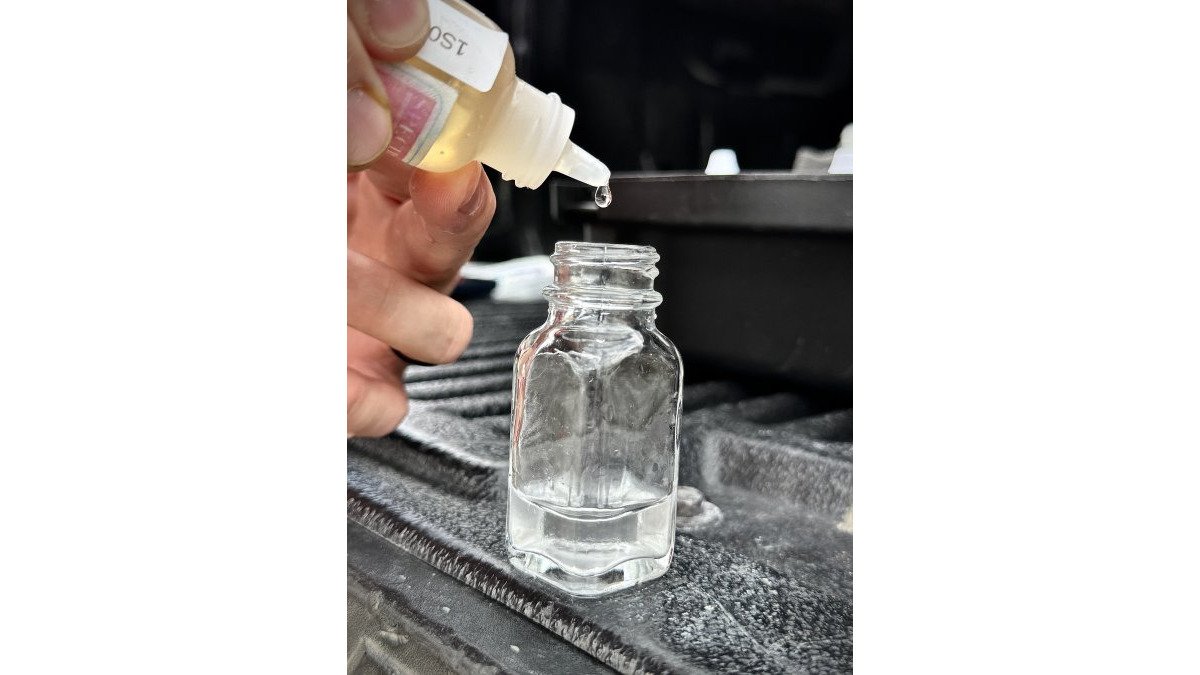
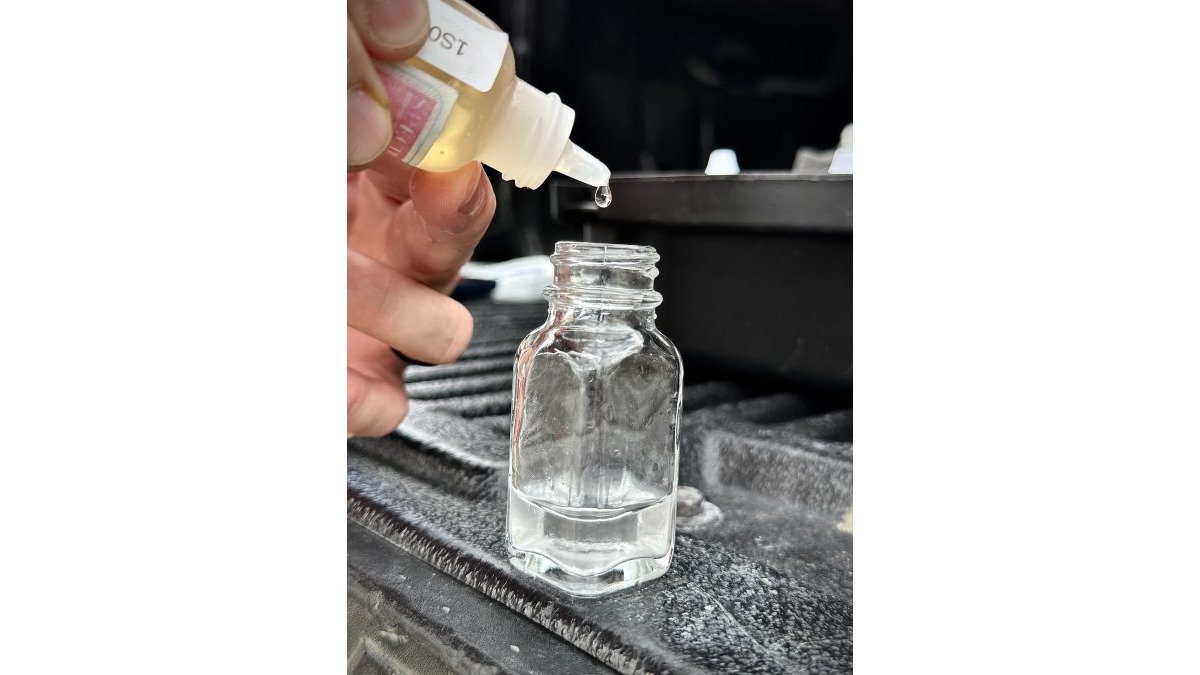
A professional water analysis reveals what's actually in your water, and that data drives which filtration approach makes sense for your situation.
What Does a Whole House Water Filter Remove
Sediment, Rust, and Iron Staining
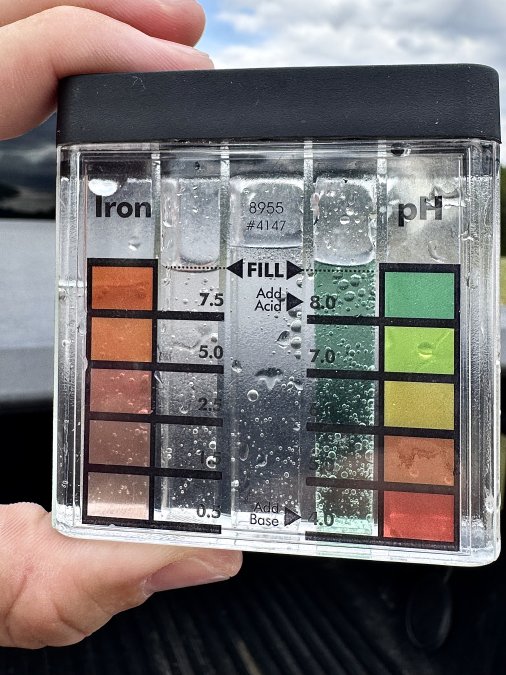
Sediment, rust particles, and iron deposits are among the most visible water quality problems.
A whole house water filtration system with sediment filtration stages removes these particles before they reach your plumbing.
Iron staining is particularly stubborn because it bonds to surfaces. Once staining appears on fixtures or in your dishwasher, a filtration system prevents new staining from forming, though it won't reverse damage already done.
Chlorine, Taste, and Odor Issues
Municipal water systems use chlorine as a disinfectant to kill bacteria and pathogens (the EPA). While chlorine is effective at preventing waterborne illness, it leaves a noticeable chemical taste and smell that many homeowners find unpleasant.
Activated carbon filtration, a core component of most whole house water filtration systems, binds chlorine molecules and removes them from water. The result is noticeably better-tasting drinking and cooking water.
For well water users, odor problems often come from hydrogen sulfide, which produces a rotten-egg smell.
Hard Water Minerals and Scale Buildup
Hard water contains dissolved minerals, primarily calcium and magnesium, that don't pose health risks but create serious maintenance problems (Hardness of Water).
A whole house water filtration system cannot remove dissolved minerals the way a water softener does, but it can reduce some mineral content through certain filtration media.
Scale prevention is one of the most cost-effective reasons to address water quality early. Replacing a water heater costs thousands of dollars; preventing scale buildup through proper water treatment costs a fraction of that.
Bacteria and Microorganisms
Bacteria, viruses, and other microorganisms can enter water through cracks in pipes, backflow events, or contamination at the source. Municipal water systems treat for these threats, but private well water is far more vulnerable.
Standard sediment and activated carbon filtration removes some bacteria, but not all.
The key distinction: whole house water filtration reduces microbial contamination, but it doesn't guarantee sterile water the way boiling or UV treatment does.
Key Benefits of Installing a Whole House Water Filtration System
Cleaner Drinking and Cooking Water
The most immediate benefit of whole house water filtration is noticeably cleaner water at every tap. Drinking water tastes fresher, coffee and tea brew better, and cooking with filtered water produces visibly clearer ice and better-tasting soups and beverages.
Beyond taste, cleaner water means fewer contaminants entering your body. While municipal water is regulated and generally safe, contaminant removal through whole house water filtration provides an additional layer of protection. For families concerned about chlorine exposure or those using well water, this benefit justifies the investment alone.
Protection for Plumbing and Water-Using Appliances
Water heaters, dishwashers, washing machines, and ice makers all suffer from mineral scale and sediment accumulation. Hard water minerals coat heating elements, reducing efficiency and forcing appliances to work harder. Sediment clogs inlet screens and damages valves. Over time, these issues shorten appliance lifespan significantly.
A whole house water filtration system protects this equipment by removing sediment and reducing minerals before they enter appliances. The result is longer appliance life, fewer repairs, and better performance.
Healthier Skin, Hair, and Softer Laundry
Hard water and chlorine affect skin and hair quality. Hard water minerals leave residue on skin, trapping bacteria and irritants, which can worsen eczema and other skin conditions.
Filtered water allows skin and hair to retain natural moisture. Many people report softer skin and healthier hair after switching to filtered water.
Laundry also improves noticeably. Clothes washed in filtered water feel softer, colors stay brighter longer, and detergent works more effectively. Hard water prevents detergent from fully dissolving, reducing cleaning power.
Improved Water Taste and Elimination of Odors
Chlorine taste disappears almost immediately after installing whole house water filtration. For well water users dealing with sulfur odors, the right filtration system eliminates that rotten-egg smell entirely. These quality-of-life improvements are immediate and noticeable.
Better-tasting water encourages hydration, which has obvious health benefits. Families with children often see kids drink more water once the chlorine taste is gone.
Whole House Water Filter Pros and Cons
Whole house water filtration offers substantial advantages, but it's important to understand the trade-offs before committing.
Pros of whole house water filtration:
- Filters all water entering your home, not just one tap
- Protects plumbing and appliances from sediment and mineral damage
- Improves water taste, odor, and appearance throughout the home
- Reduces chlorine exposure across all water uses
- Provides better skin and hair health benefits
- Extends appliance lifespan, reducing replacement costs
- Works continuously without user intervention
Cons of whole house water filtration:
- Higher upfront installation cost compared to point-of-use filters
- Requires professional installation in most cases
- Ongoing maintenance and filter replacement needed
- Cannot remove all contaminants (depends on system type)
- Takes up space, typically installed in utility areas
- Not all systems address hard water minerals (may need separate softener)
- Water softeners, if needed alongside filtration, add additional cost
- Effectiveness depends on accurate water testing beforehand
The key con is that a poorly chosen system wastes money. If you install whole house water filtration without understanding your water chemistry first, you might pay for features you don't need or miss contaminants you do need to address. This is why a professional water analysis before system selection is critical.
Whole House Water Filter Maintenance and Upkeep
Whole house water filtration systems require regular maintenance to function effectively. Filter cartridges accumulate sediment, chlorine becomes saturated, and media eventually loses effectiveness.
Filter replacement schedules depend on:
Request My Free Water Analysis →
- Water quality and contamination levels
- System size and flow rate capacity
- Household water usage volume
- Specific filter media used
Most sediment filters need replacement every 3-6 months, while activated carbon filters typically last 6-12 months. Some systems use longer-life media that extends replacement intervals.
We provide guidance on maintenance schedules based on your specific water analysis. Understanding your system's maintenance needs prevents surprises and keeps water quality consistent.
Professional maintenance ensures filters are installed correctly and system performance is verified.
Whole House Water Filtration System Cost Considerations
Cost is a legitimate concern when evaluating whole house water filtration. The investment includes the system itself, professional installation, and ongoing filter replacement expenses.
Pricing varies significantly based on your specific water quality issues, system complexity, and installation requirements.
Operating costs include filter replacements over time. Budgeting for maintenance ensures you don't skip filter changes due to cost, which would undermine the entire benefit.
To understand pricing specific to your home, request a free water analysis from Water Treatment Systems.
Municipal Water Versus Well Water: Different Contaminants, Same Solution
Municipal water and private well water present different water quality challenges, and whole house water filtration addresses both, though with different configurations.
Municipal water typically contains:
- Chlorine and chlorine byproducts
- Residual sediment from aging infrastructure
- Occasional mineral content (varies by region)
- Generally low bacterial risk due to treatment
Private well water typically contains:
- Bacteria and microorganisms (no municipal treatment)
- Iron staining and sediment from groundwater
- Hydrogen sulfide odors (sulfur smell)
- Potentially higher mineral content
- No disinfectant residue, but greater contamination risk
For municipal water users, whole house water filtration typically focuses on chlorine removal and sediment reduction. For well water users, the system must address bacterial contamination, iron staining, and often sulfur odors.
A water test is essential for both scenarios. Municipal water quality varies by region and aging infrastructure, so testing reveals what's actually in your water rather than assuming.
We conduct testing for both municipal and well water customers, identifying contaminants specific to your water source and recommending filtration accordingly.
How to Choose the Right System for Your Home
Choosing the right whole house water filtration system starts with understanding your water quality. Generic recommendations often miss the mark because water chemistry varies dramatically by location, water source, and infrastructure age.
The selection process:
- Conduct a professional water analysis, Test for sediment, chlorine, minerals, bacteria, pH, and other relevant contaminants. This data drives every decision that follows.
- Identify your primary water quality concern, Is it taste and odor, appliance protection, bacterial safety, or a combination? Your biggest frustration points guide system selection.
- Match filtration stages to contaminants, A system addressing only sediment won't help with chlorine taste. A system addressing only chlorine won't protect against bacterial contamination. Choose filtration stages that address your specific contaminants.
- Consider flow rate requirements, Your system must deliver adequate water pressure for your household. Undersized systems create frustrating low-pressure situations.
- Evaluate maintenance demands, Some systems require filter changes quarterly, others annually. Choose a maintenance schedule you can sustain.
- Compare long-term costs, Calculate not just installation cost but filter replacement expenses over five years. A cheaper system with expensive filters may cost more overall.
- Verify installation requirements, Some systems require significant plumbing modifications. Understand installation complexity before committing.
We simplify this process through professional water analysis and system recommendations tailored to your specific situation. We identify exactly what's in your water, explain which contaminants matter most for your household, and recommend a system that addresses those issues without unnecessary complexity or cost.
Frequently Asked Questions
What does a whole house water filter actually remove from my water?
A whole house water filtration system removes sediment, rust, chlorine, hard water minerals, bacteria, and odor-causing compounds like sulfur. The specific contaminants removed depend on your system's filtration stages and your water source. Municipal water typically contains chlorine and disinfection byproducts, while well water may have iron, manganese, and bacterial concerns. Professional water testing identifies which contaminants are present in your supply, allowing you to select a system designed for your specific needs.
How often should a whole house water filter be replaced?
Replacement frequency depends on your system type and water quality. Sediment filters typically need replacement every 6-12 months, while activated carbon filters may last 12-18 months. Hard water mineral filters and specialized cartridges follow different schedules. Your water quality and household usage affect replacement intervals. Professional maintenance schedules ensure filters are changed before they become saturated and stop removing contaminants effectively.
Is a whole house water filtration system worth the cost?
Whole house water filtration systems deliver long-term value by protecting appliances from mineral damage, extending water heater and dishwasher life, and eliminating the need for pitcher filters or bottled water. The return on investment depends on your water quality issues and how quickly they damage appliances. Homes with significant hard water, iron staining, or sulfur odors typically see faster payback. Request a free water analysis to understand your specific contaminant levels and the protection a system would provide.
Can a whole house water filter remove hard water completely?
Whole house water filtration systems can reduce hard water minerals significantly through specialized filtration stages or water softening technology. The degree of reduction depends on your system's design and the mineral concentration in your water. A water softener paired with filtration addresses both mineral content and other contaminants.
How is a whole house water filter different from pitcher filters or faucet attachments?
Whole house water filtration systems treat all water entering your home, not just drinking water from one pitcher or faucet. This protects your entire plumbing system, appliances, and provides filtered water for showers, laundry, and dishes. Pitcher filters and faucet attachments have limited capacity and require frequent replacement. Whole house systems handle higher water volumes, remove a broader range of contaminants, and reduce scale buildup on fixtures and appliances that pitcher filters cannot address.
Choosing whole house water filtration is one of the highest-impact water quality decisions a homeowner can make. The combination of better-tasting water, appliance protection, and health benefits justifies the investment for most households. However, the system must match your actual water quality issues to deliver results. Request a free water analysis from Water Treatment Systems, and we'll identify exactly what's in your water and recommend a solution tailored to your home's specific needs.